|
|
 |
UK's Mojo Magazine: Elvis Costello Show Preview and Mellencamp Interview At The Apollo Theater
12.18.2008 - The restless voice of ornery America, John Mellencamp has spent three decades
railing against injustice and conservatism. Now, on the eve of the US election,
MOJO find him contemplating his own mortality on the set of Elvis Costello’s new
TV show…
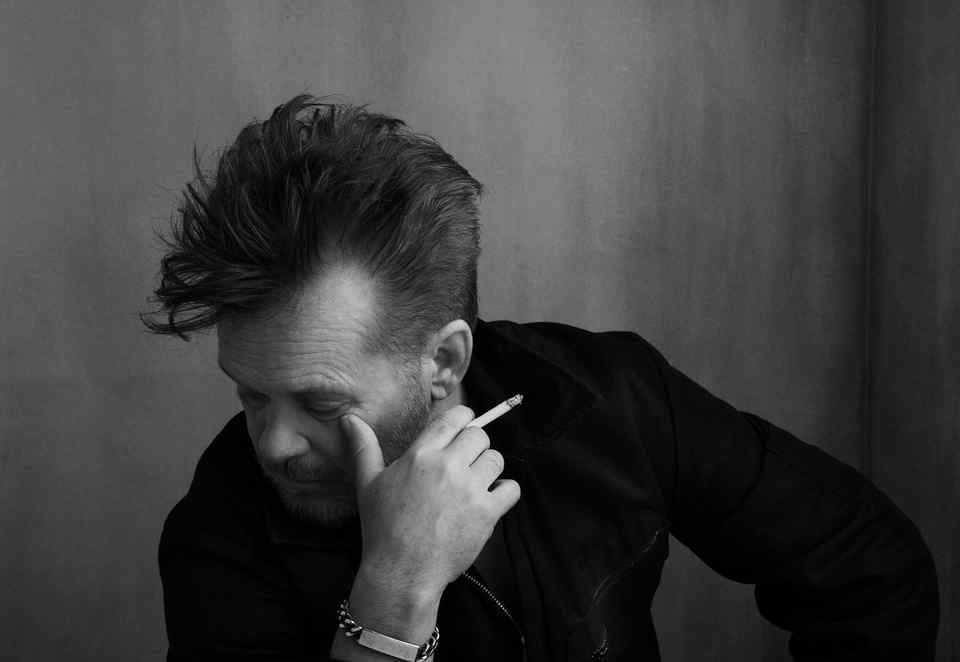
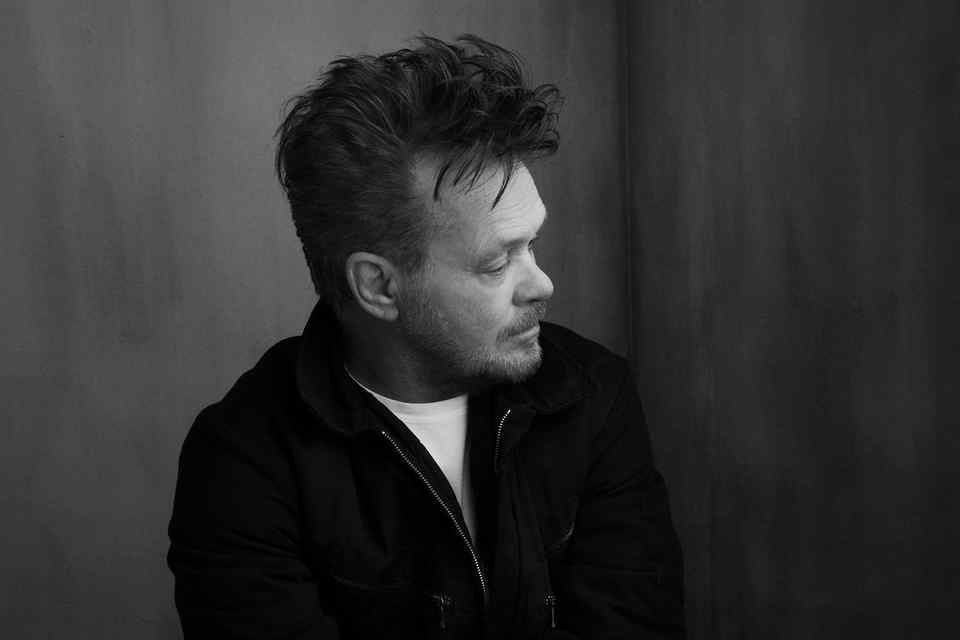
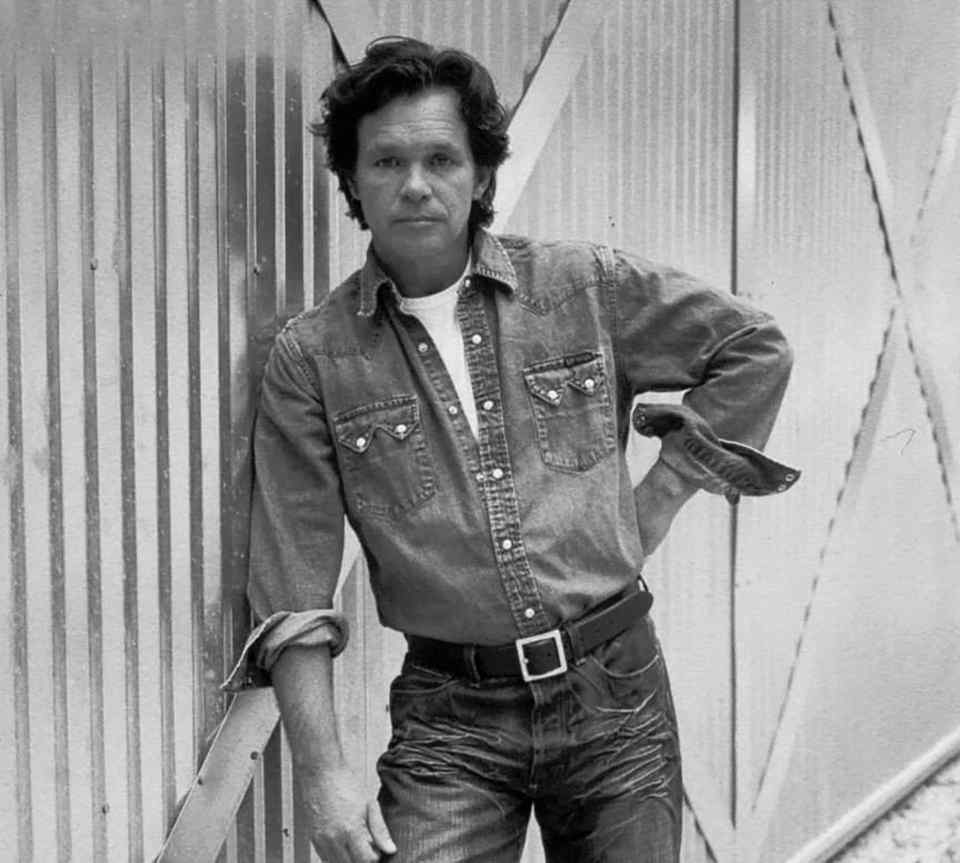
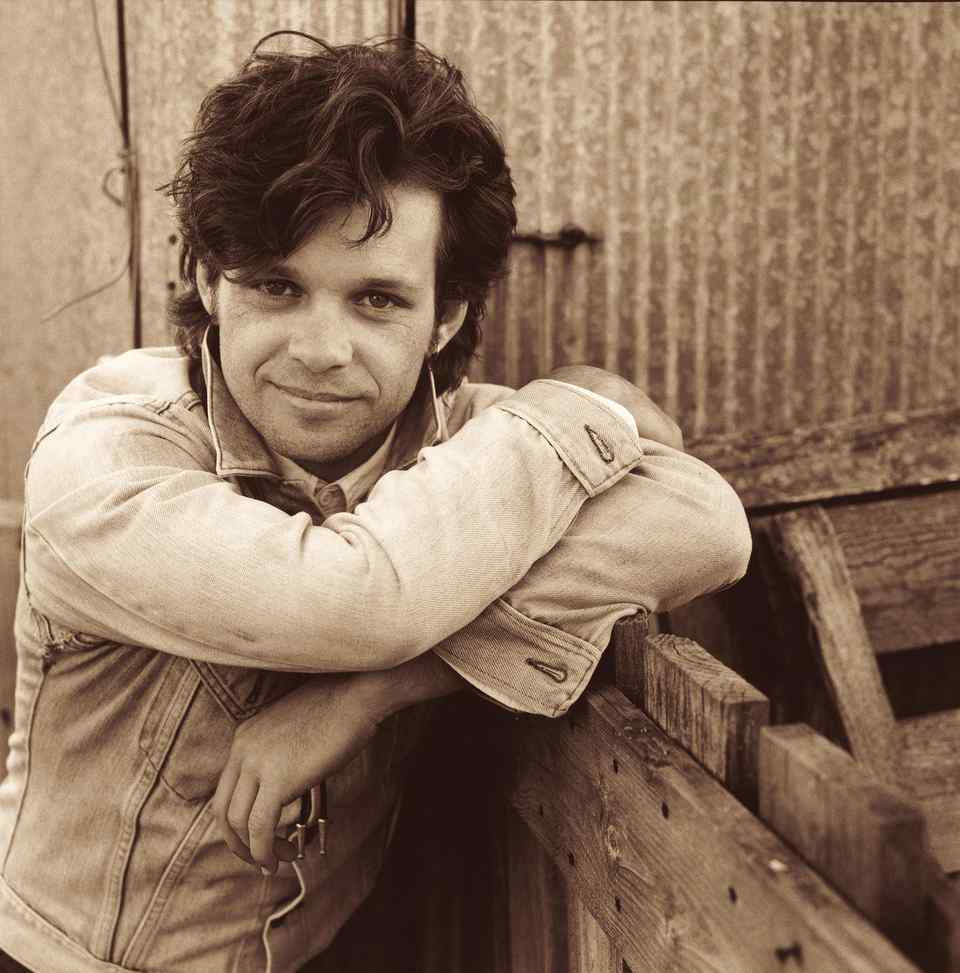
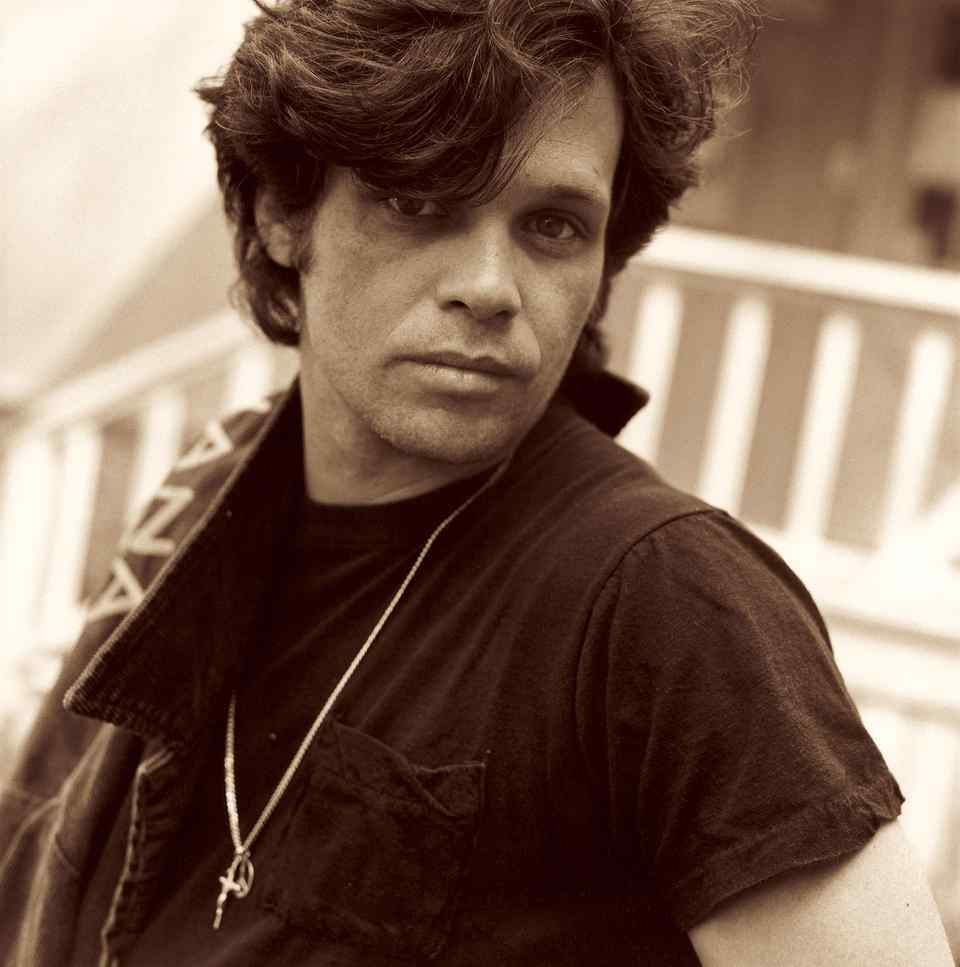
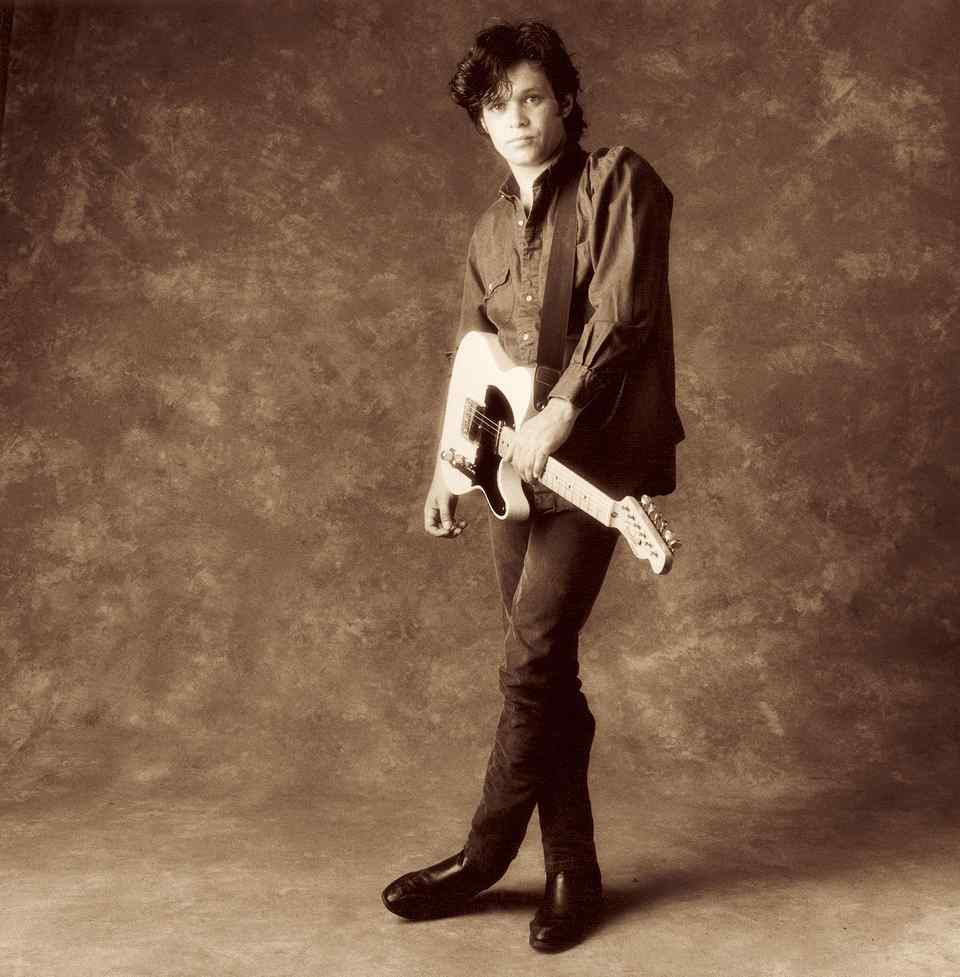
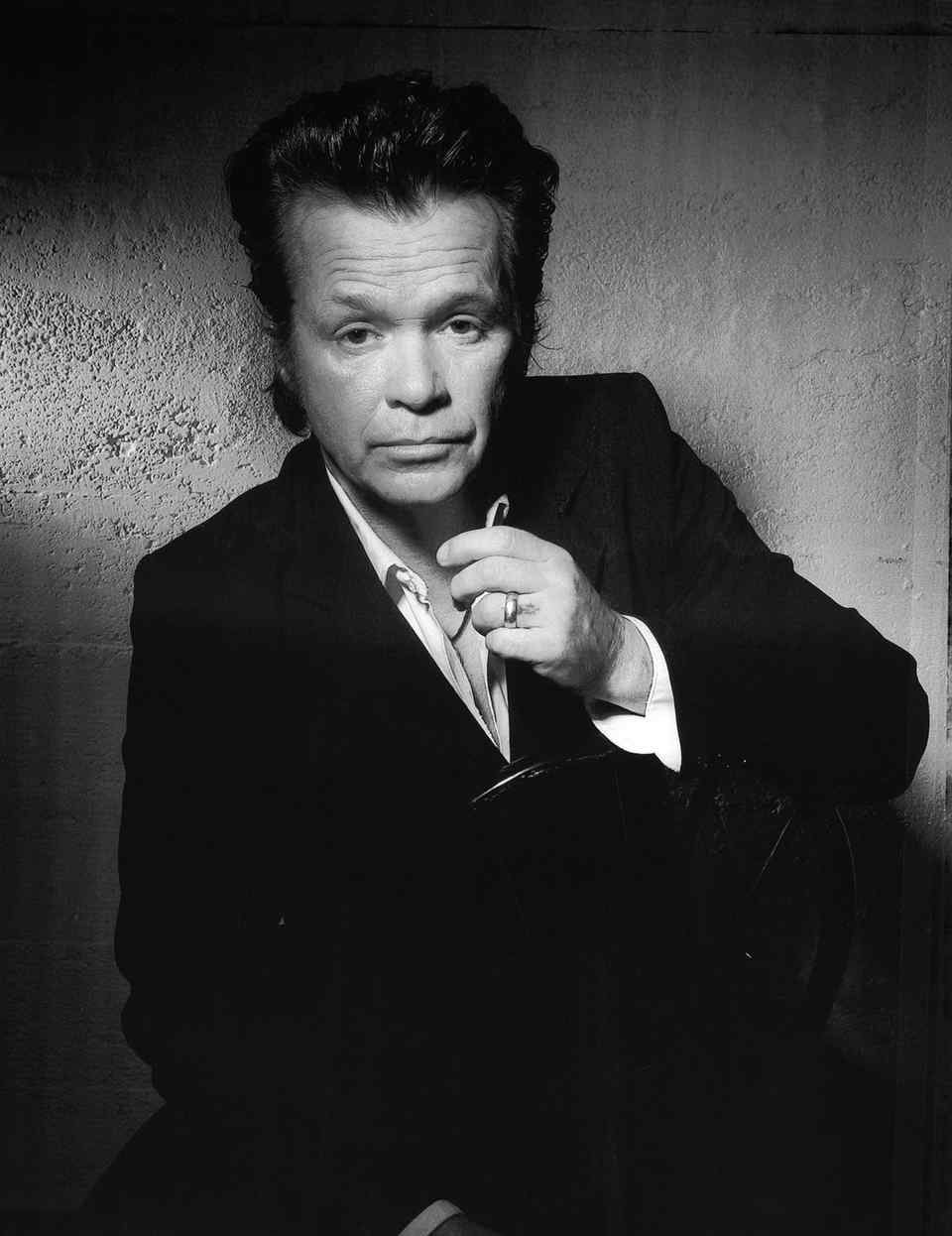
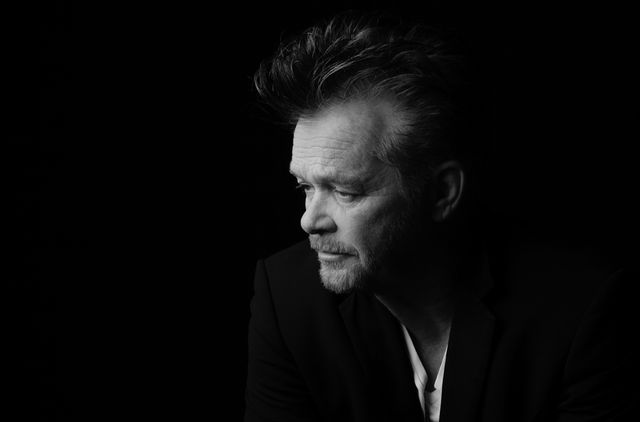
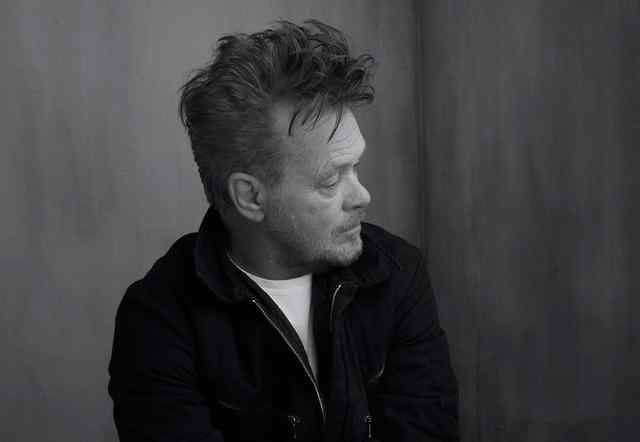
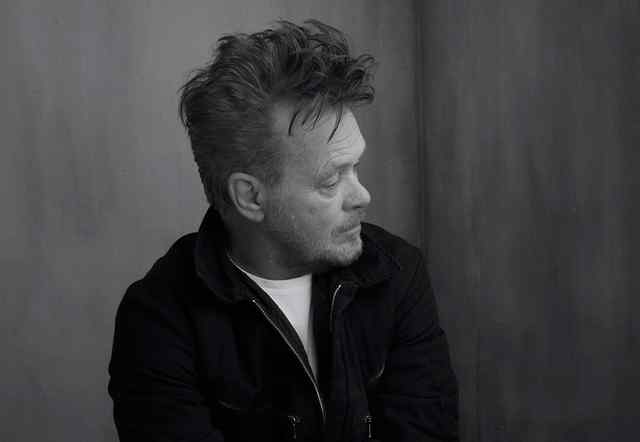
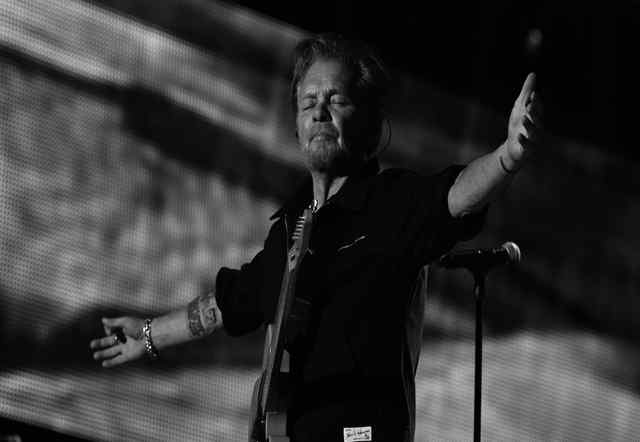
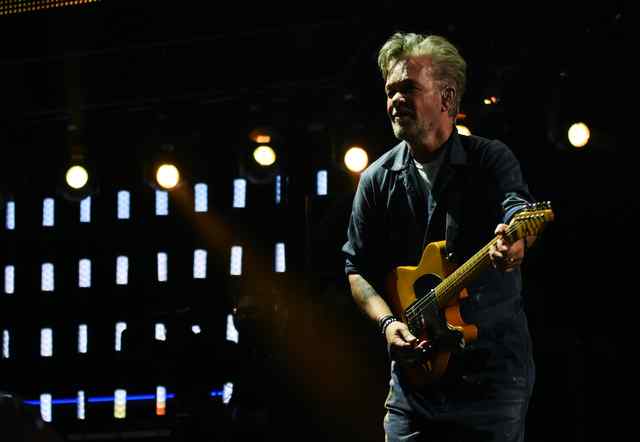
Words: Phil Sutcliffe, Portrait: Elaine Mellencamp
This article includes some great photos and should be available
at select bookstores and newsstands that sell import magazines.
“Do you know what’s been happening today?” John Mellencamp enquires, responding
briskly to a broad opening question about his “left-wing Democrat” politics.
Well, it’s September 15 in New York City and, thus far, leading investments bank
Lehman Bros has gone bankrupt, the Bank of Americas has rescued broke
stockbroker Merrill Lynch, and American’s largest insurance company, AIG has
announced it needs $80 billion pronto or it’s going to belly-up.
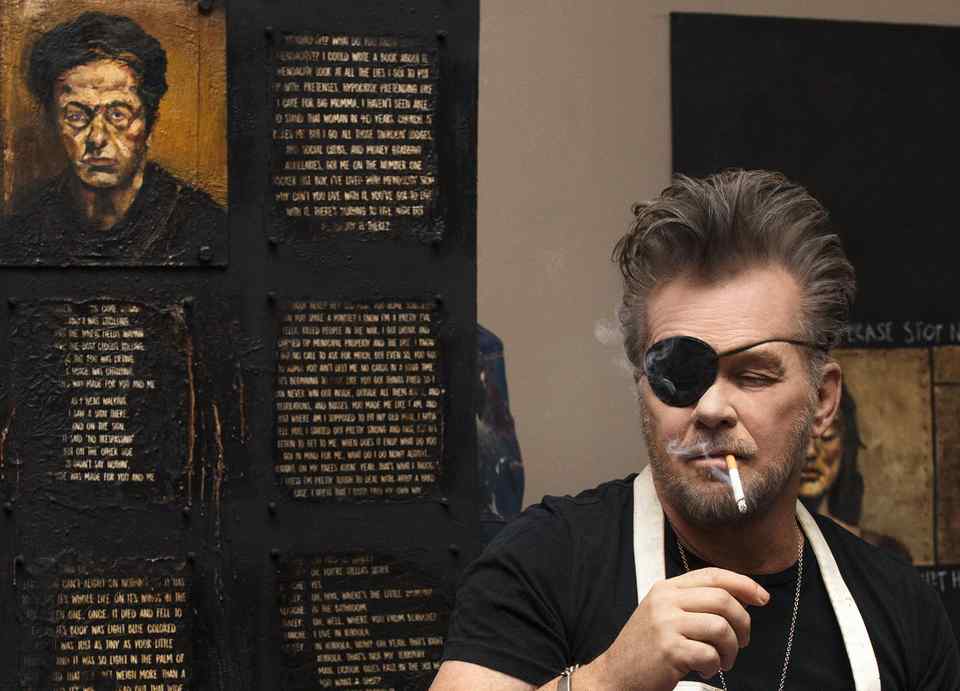
Assured that MOJO’s got the gist, Mellencamp proceeds with his smoke break cum
photo session in the cluttered alleyway behind the Harlem Apollo,
machine-gunning bullet points from a lifetime of raging against the system.
“While the liberals were worried about being politically correct, the
Republicans stole Wall Street,” he begins.
But you’re a liberal, aren’t you?
“Yeah, that’s what I’m sayin’, we’re stoopid! I’m Stoopid! We were thinking
about handicapped parking places while they were taking power.”
He’s not a city boy, though he’s true country from Seymour, Indiana. And as both
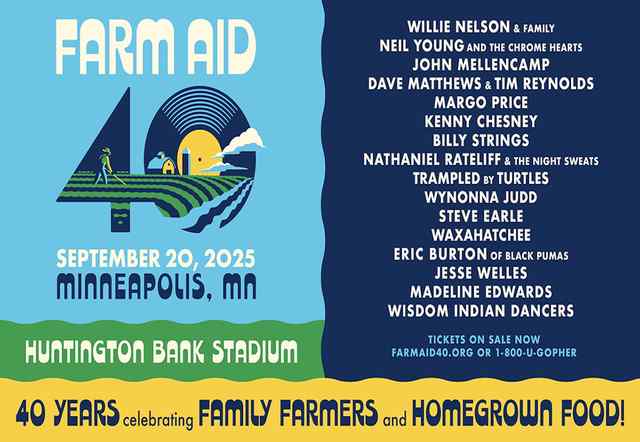
the official progenitor of “heartland rock” and, with Willie Nelson and Neil
Young, founding co-director of Farm Aid, he soon turns his thoughts back to
where it all went wrong for family farmers. Earl Butz did it, he says – that is,
President Nixon’s secretary of agriculture who switched subsidies from the small
holdings to agribusiness and advised the little people to “Get big or get out”.
The mention of Nixon reminds Mellencamp of his own “dumb” lack of commitment
back when, as a 17- year-old, he went to Washington for the 1970 May Day demo
against the Vietnam war. “I was goin’ pretty good until I saw this girl and then
“Oooooo(his head turns)… I didn’t make the march.” He sparks up his raspy
60-a-day laugh at this youthful folly.
His reminiscences are curtailed. It’s time to rehearse. Interview to be
continued as and when. He bounces downstairs towards the cellar dressing-rooms.
Entering the Apollo imparts that ‘hallowed-portals’ feeling. However, once
you’ve paused to admire the framed photo collages in the foyer – Smokey, Aretha,
James Brown on down – it’s just a small, comfortable, working theatre.
To the right of the stage a screen announces, “Spectacle: Elvis Costello with…”
A new 13-part TV series, it features as - live song and Elvis-led talk from
assorted big names he likes, including Lou Reed, The Police, Jakob Dylan, Herbie
Hancock and Smokey Robinson himself. In the America it will be carried by Robert
Redford’s Sundance channel; in the UK by Channel 4’s 4 Music in December.
On-stage, Costello is conducting a remarkable convivial rehearsal-spontaneous
and, as will later emerge, only approximately connected with what’s played on
the show itself. Costello is flanked by Kris Kristofferson, Rosanne Cash and
Norah Jones. Perched on stools, guitars on knees, they’re working up Johnny
Cash’s I Still Miss Someone. “What key are we in, darlin’?” grizzled-as God
Kristofferson asks Rosanne. She tells him. “I just need to know what I’m doin’
and so far I don’t, “he guffaws. Within 15 minutes uncertainty, bum notes and
squinting at the autocue have alchemised into a harmony chorus of hair-raising
loveliness.
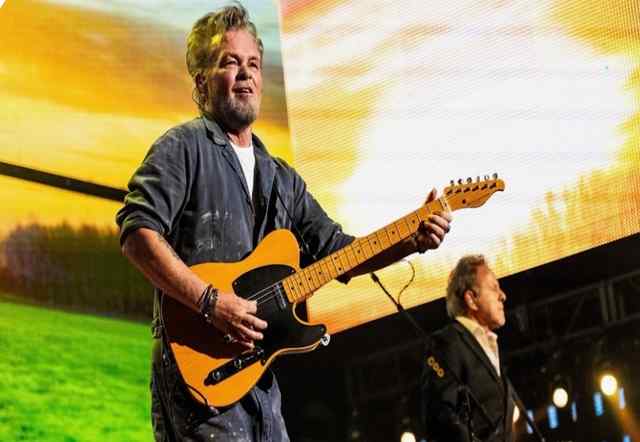
Mellencamp appears stage left. He sits restlessly, straining at the leash of the
others’ after-you civility. At one point he declares he’s not much of a
collaborator: “I’m from Indiana and there’s nobody else there!” It shows. A good
job they all know and understand his edgy ways – plain-speaking but a touch
insecure at the same time.
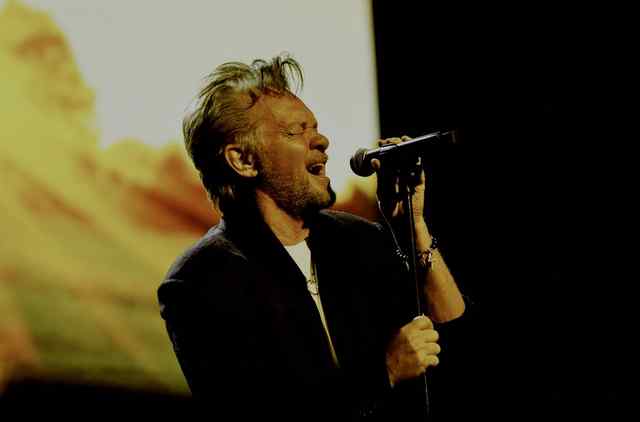
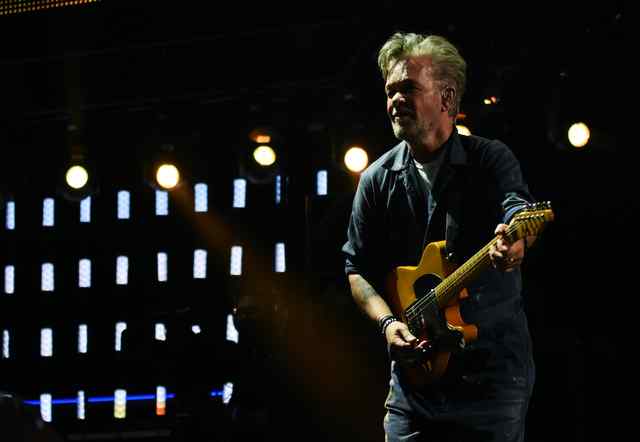
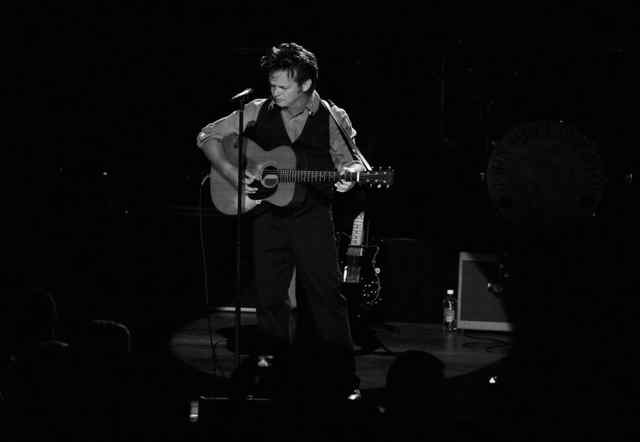
The rehearsal closes with Mellencamp alone on –stage singing his 1986 Americans
hit Rain On The Scarecrow , one take and fiercely: “The crops we grew last
summer weren’t enough to pay the loans/Couldn’t buy the seed to plant this
springs and the Farmers Bank foreclosed/…Blood on the scarecrow, blood on the
plough.” Like his oldest hero Woody Guthrie, he doesn’t leave much to subtext.
Back with Mojo, Mellencamp – who some in the UK may recall from the ‘70s as
pop-rock icon (failed) Johnny Cougar – is talking about the rough ride a blunt,
political songwriter can face in America. “I updated an old folk song called To
Washington (Troubled No More, 2003), he says – his lyric suggests President Bush
is a warmonger possibly motivated by oil profits, “People were driving past my
house throwing shit and yelling and giving my wife Elaine the finger as she
drove down the street [in Bloomington, Indiana, their home for years].
“I was driving to the airport one day with the boys [about nine and eight then]
and they played the song on the radio. A listener calls and says, “I don’t know
who I hate the most, that fucking John Mellencamp or Saddam Hussein.” It really
freaked the kids out and it pissed me off. We had to get security to come around
the school playground because the teachers thought people might harm them.”
His lasted album – produced by T Bone Burnett – takes a more panoramic
perspective as is indicated by the title, Life Death Love and Freedom –
archetypal Americans song book themes, he says. In key tracks Longest Days, John
Cockers, Young Without Lovers and Don’t Need This Body, Mellencamp, 57 now and
survivor of a heart attack in the ‘90’s, writes first-person about age and
mortality. He creates bitter characters who prepare for their end cocooned in
stubborn, self-righteous isolation.
“This record is about life,” he asserts. “Part of life that we don’t really want
to think about. But Life, ultimately, is beautiful. That’s why I wrote the
songs. People say this is a dark record and I’m thinking. No, it’s about our one
shot at being here and it’s beautiful so if you can’t get that you’re not old
enough to be listening to this fucking record.
“That song If I Die Sudden goes back 20 years to an uncle of mine who died of
cancer at 58 from smoking. On his death bed he said, “I’m an atheists. Do not
have a preacher come here and say what a great Christian life I’ve led. I
didn’t.” For me that was like Wow! You gotta be pretty damn sure of yourself or
pretty damn stupid to say that. I couldn’t figure out which one it was.”
You’ve got to be pretty damn sure of yourself to make an album about dying.
“I don’t think so,” he crackles. “You’ve just got to be willing not to sell
record!”
It’s showtime the crowd’s in now and Costello’s chatting away on his stool, no
autocue. He explains the evening is modeled on a Nashville “guitar pull” where a
bunch of guitar-strumming pals sit around and try out their new songs, Rosanne
Cash adds, “I think they originated in my dad’s living room with Bob Dylan, Kris
and Waylon Jennings, Kris sang Me And Bobby McGee for the first time there.”
They take their turns solo, trio and quintet, Costello offering his unrecorded
road favourite Down Among The Wines And Spirits, Kristofferson the not entirely
unknown Sunday Morning Coming Down, and Norah Jones a new song co-written with
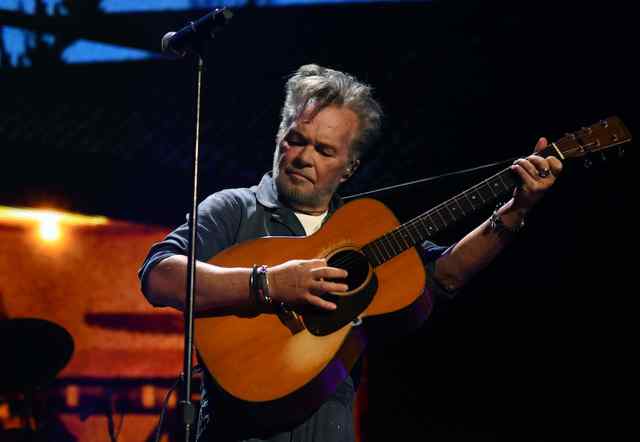
Ryan Adams called Light As A Feather. Then Mellencamp – not playing the
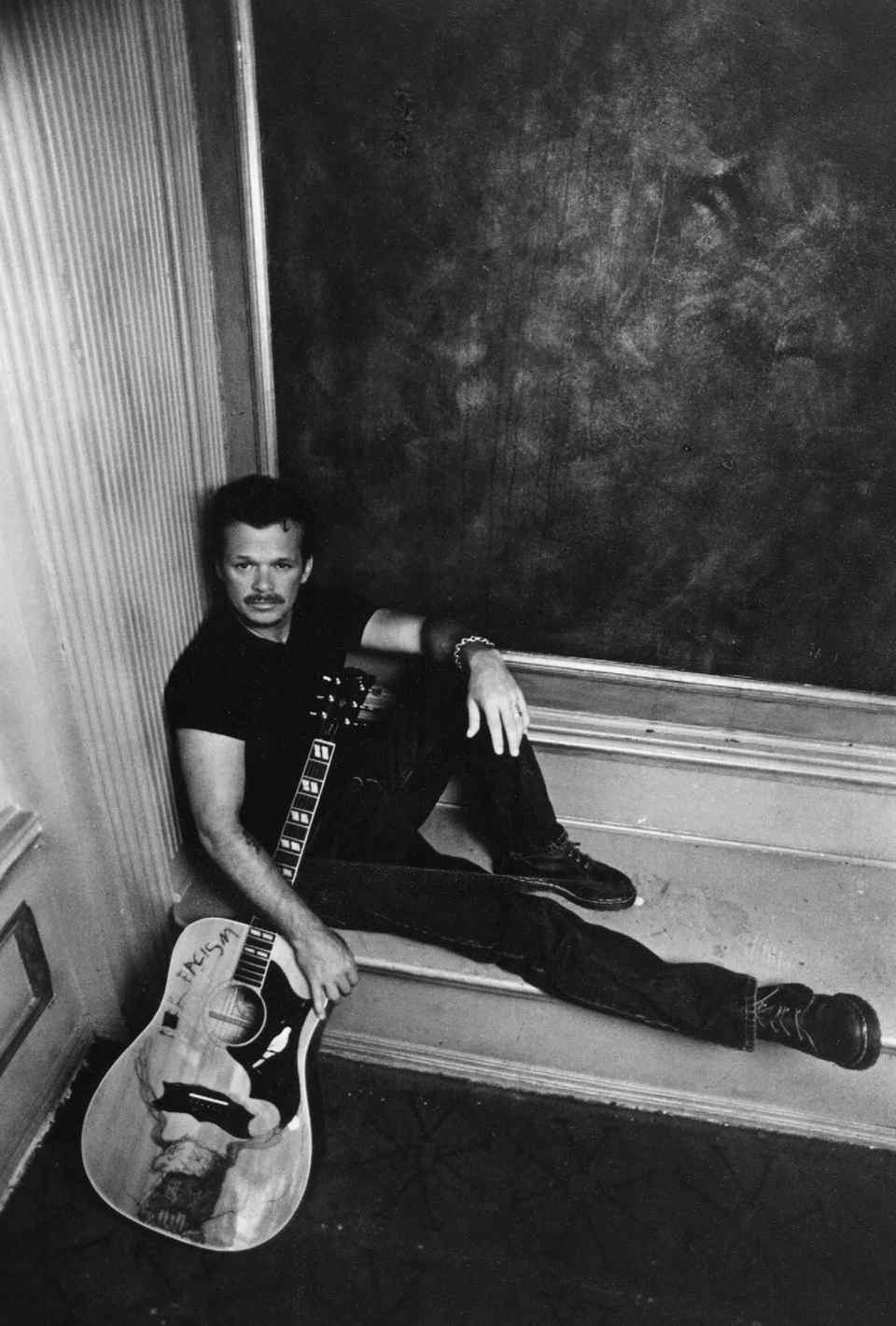
TV-unfriendly acoustic with “Fuck Fascists” scrawled above the strings – sings
Longest Days, from his new album, one of its gentler intimations of
impermanence. He forgets the title, blurts it out when he gets to the chorus,
makes a bit of a hash of it. When he finishes Rosanne reaches across to him and
says a few words as if kindly consoling him…
But that wasn’t the case, he explains later. “There were tears welled up in her
eyes and she said, “That’s something you mean.” I sorta said, Oh come on, ‘cos
my performance wasn’t’ great, but I saw her eyes…it was quite, uh…I’m glad….” He
trails off.
Everyone enjoys peer approval, but it may be extra important to Mellencamp
because of the demoralizing Cougar episode which “launched” his recording
career. In 1977 he came to London where David Bowie’s former manager Tony
DeFries reinvented him from the name upwards. Pin –up pop-rock when punk ruled,
“Cougar” succumbed because all he had back home was a wall papered with record
company rejection letters. The hype ruined his reputation in the UK and he feels
the taint remained even when he reverted to his real name and music he believed
in.
His next UK manager, Billy Gaff, Rod Stewart’s ex, persuaded him to part with
the publishing on his first 10 albums. When Mellencamp, back in the US, started
making hits, even $5 million wasn’t enough to buy his rights back. But by then
he’d begun the music life he craved. “Critics were never going to like Johnny
Cougar,” he says. “He was a fucking jerk. My only option was to make hits so big
I had to be accepted. I sat down with the band and said, Look, we’re 30 years
old, if we don’t quit fucking around, we’re gonna be out of business. Well, I
knew the bars of America because we played 300 of them a year. They wanted
something raucous. So we applied the smallest number of words, the lowest common
denominator, don’t try to make any big points: (sings) “Come on baby/make it
hurt so good.”
Hurt So Good, from John Cougar’s 1982 American Fool, hit Number 2 in the singles
chart. Then the LP reached Number 1 along with the Jack And Diane single “Two
American kids growing up in the heartland”, one of whom had been black until
Mellencamp decided to shelve such complicating notions.
Encouraged, and now stage-named John Cougar Mellencamp, he moved to phase two,
“With Pink Houses [from Uh-Huh, 1983] we went out on a limb, I said, Look, let’s
try and pull a fast one. Let’s write about what we really think of the United
States, but tie it up in a chorus. Made an anthem out of it…” And a Top 10 hit.
“At that point I realized, now I can start doing what I need to do, I wrote Rain
On The Scarecrow.
On stage the guitar pull proceeds good-naturedly via Me And Bobby McGee and
Mellencamp’s love-hate reflection on Indiana, Small Town. Closings, each of the
quintet takes a verse of Johnny Cash’s Big River. Mellencamp tears into his,
harsh and high, practically launching himself off the stool like a sprinter from
the starting blocks. The crowd roars. Then does it again for a couple of
retakes. The artist shake hands, hug and clap one another.
Afterwards, Mellencamp affirms he did enjoy this strange experience of
co-operation. Such company only reinforces his certainty the Life Death Love And
Freedom represents his future. “It’s about growing up to be Kris Kristofferson
or growing up to be a Willie Nelson,” he muses. He cuts loose a little then, in
grumpy-old man mode. Corporate America, he opines is “stealing our culture – the
same TV shows, the same stores, the same food, the same accents everywhere you
go.” Disneyland popsters have taken over music since “America turned its back on
rock ’n’ roll – now there’s only one record store in New York City! You can
download tracks, but who wants that? The quality’s so terrible!”
He crackles a last laugh and swings back to an experience that gave him food for
thought about his new album: “I had the strangest phone call. This friend of
mine calls me up about 11 o’clock at night and says, ‘This guy here wants to
talk to you’. It’s a famous actor who I’m aware is dying of cancer. I’m
thinking, what the fuck’s he want to talk to me about? Anyway, he says, ‘Hey
man, I’ve been listening to your album. It’s such a comfort to me.’ He says,
‘It’s made my life more bearable’. I didn’t know what to fuckin’ say.
“And my friend who’d been with him, he’s such a wise-ass, he rang the following
day and asked me, ‘What he’d say?’ I told him and he said, ‘Now you know what it
feels like to be a real artist’, I said Yeah. Thanks.”
Back
|