|
|
 |
Milwaukee, WI Journal Sentinel: Celebrating The Seeds of a Movement
09.22.2010 - jsonline.com By Carolyn Mugar
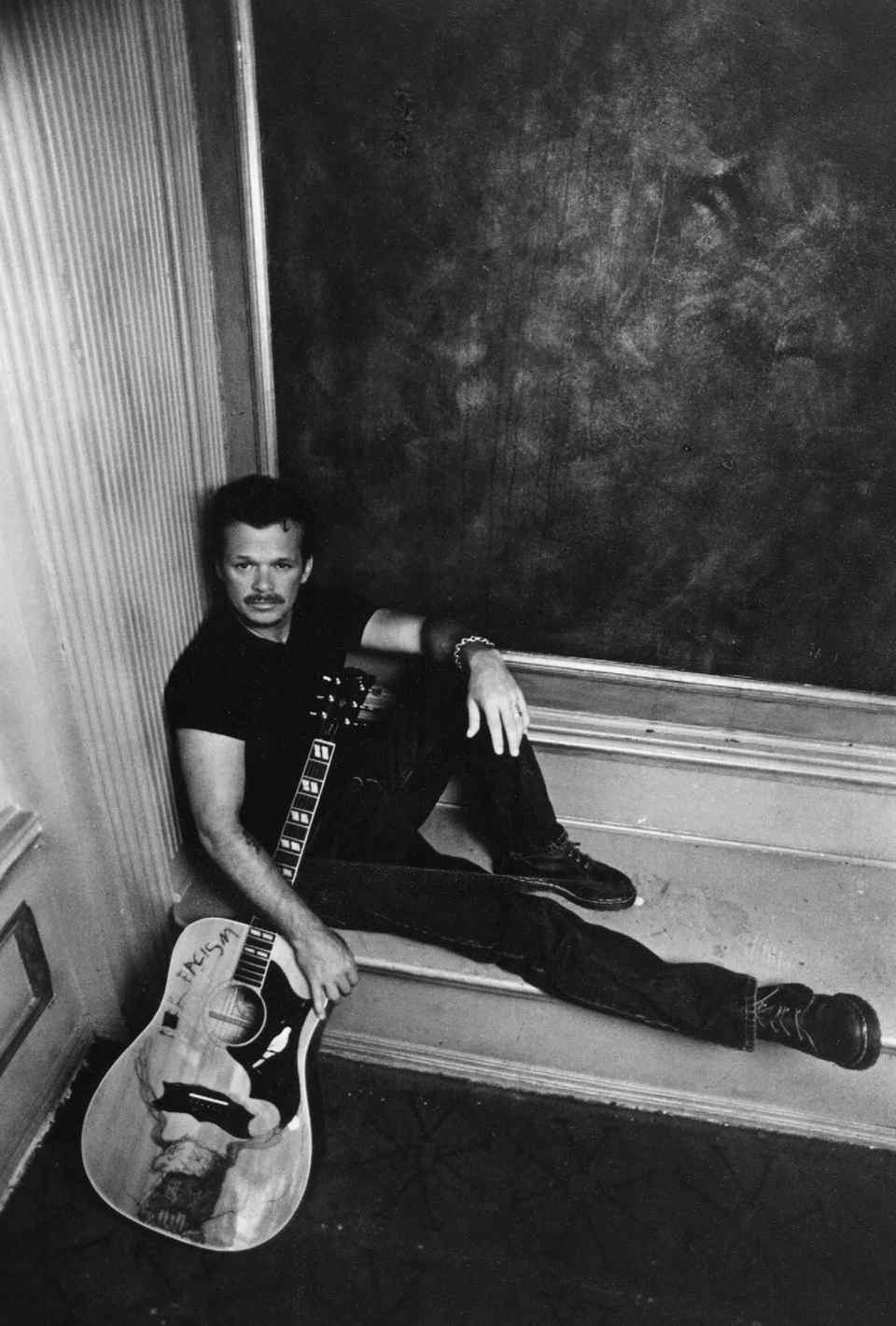
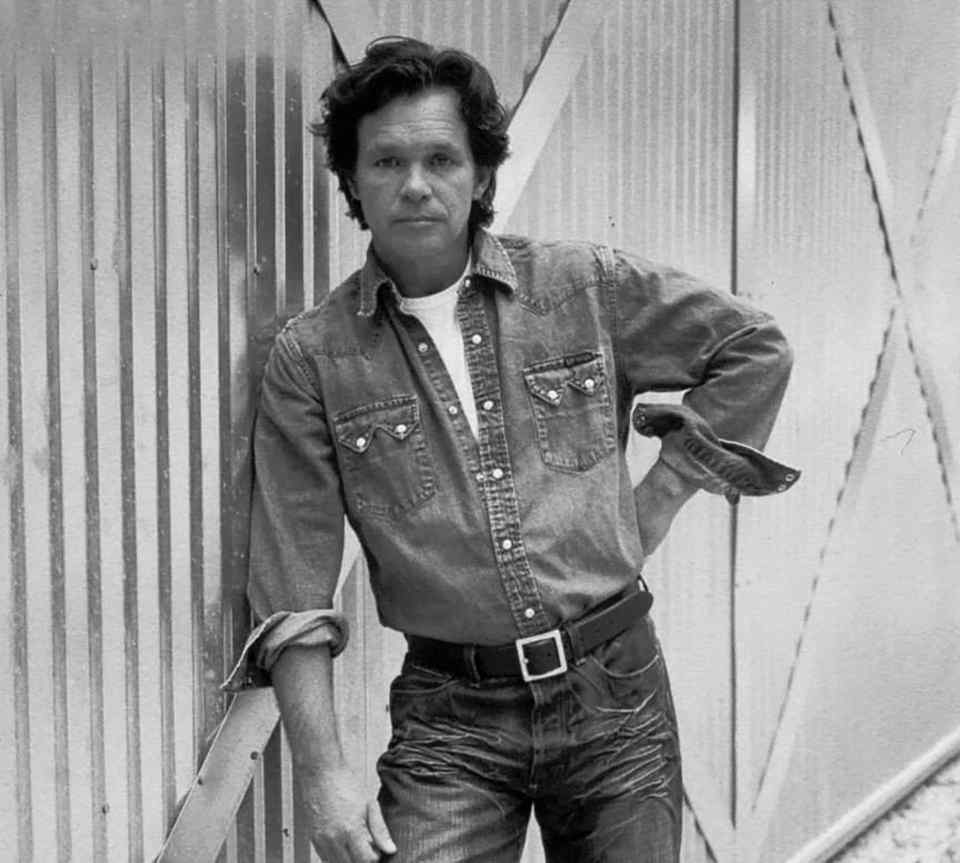
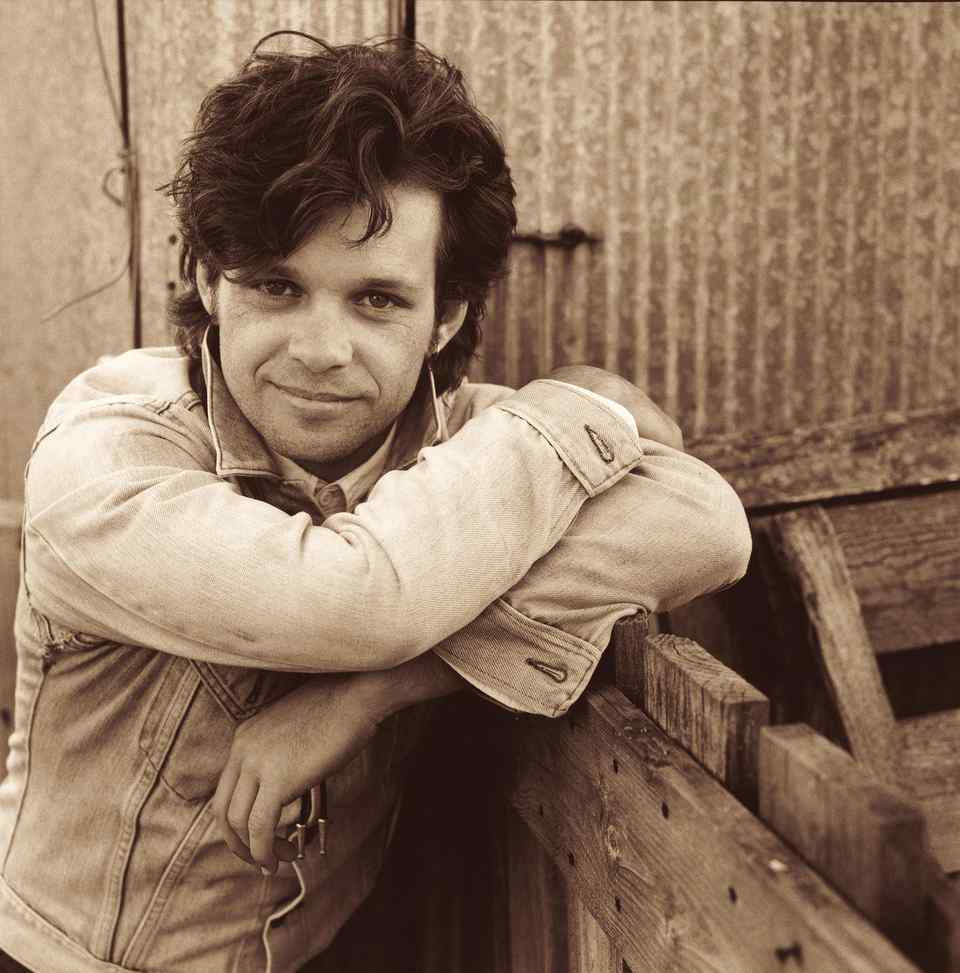
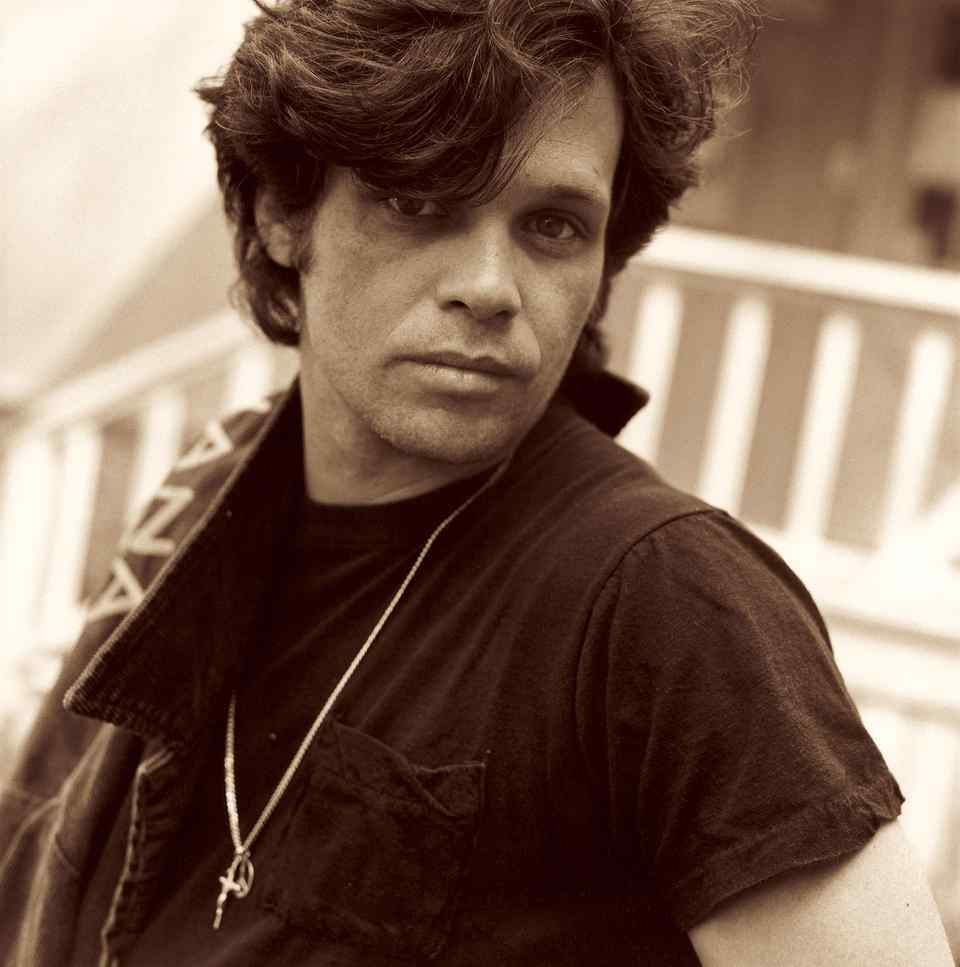
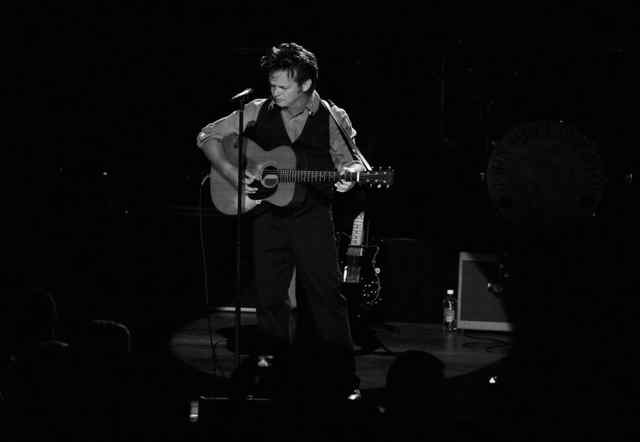
On Sept. 22, 1985, Willie Nelson, Neil Young and John Mellencamp came
together to host the first Farm Aid concert in front of 78,000 farmers, fans and
activists. They thought the event in Champaign, Ill., would be the first and
only Farm Aid concert - that the overwhelming public outcry would spur public
officials to act immediately to right the obvious inequities that were forcing
thousands of farm families off their land and out of their homes.
None of us could have anticipated the movement that concert sparked in 1985, and
25 years later, I can proudly say that Farm Aid has not quit. We've not only
kept family farmers on their land, we have created new farmers; helped farmers
transition to sustainable and organic production methods; increased access to
healthy, fresh food for more Americans; helped to revive rural and urban
communities; and supported developing and growing local and regional food
systems that stimulate our national economy. But even as we reflect on the
success and momentum of the past two decades, it's clear that our work is far
from done.
For 25 years, Farm Aid has talked with farm families and heard firsthand
accounts of both the challenges they face and the opportunities that can help
them thrive. In Wisconsin, we've heard from many farmers that we're at a
critical crossroads.
On the one hand, Wisconsin is a picture of what is possible in a family farm
food system. Over 97% of Wisconsin's 78,000 farms are family-owned. Farms and
agricultural business generate $60 billion in economic activity and employ over
350,000 people in the state. In Milwaukee County, the number of farms grew by
23% from 2002 to 2007, creating new economic growth and job opportunities.
Yet the threat of industrial agriculture in Wisconsin is real.
When you look at the crisis in the dairy industry, the potential for further
consolidation in agriculture is painstakingly clear. For nearly two years, dairy
farmers have been paid abysmal prices - as little as half the cost of
production. Family dairy farmers have lost upwards of $200 per month during this
crisis on each dairy cow they own, while the largest dairy processors have made
record profits. Lax enforcement of antitrust regulations has resulted in a
system that creates artificially low prices for farmers and no savings for
consumers.
In Wisconsin - home to 1.2 million dairy cows producing 2.2 billion gallons of
milk each month - the situation is critical. Since the 1980s, Farm Aid has
advocated for a food system that allows a level playing field for family farmers
and consumers instead of the current system of increased consolidation that puts
more power into the hands of powerful corporations.
Local farmers are intrinsically tied to their local economies, personally
invested in their land and its well-being, and they produce fresh, healthy
foods. Conversely, industrial agriculture crushes rural economies by bankrupting
family operations, damages our environment through air and water pollution and
soil degradation and contributes to the diet-related public health epidemics
affecting our nation.
It will take each and every one of us working together, seeking out food from
family farms and calling for a different kind of agriculture to ensure that
family farmers stay on their land, growing strong, healthy communities.
That first Farm Aid concert was more than just a rallying event for family
farmers across America. That day, we sowed the seeds of a movement. Twenty-five
years of Farm Aid have shown just how much impact family farmers have on our
lives and reinforced our commitment to fight for and alongside them.
Farm Aid promotes a simple truth: Supporting family farmers and family
farm-centered food systems is a powerful strategy for jump-starting our fragile
economy, improving our public health and creating a cleaner environment for
generations to come. We invite you to join us in advocating for the changes we
need so that family farmers can continue to grow hope for America.
Back
|