|
|
 |
New York Times No Better Than This Review
08.16.2010 - New York Times By Jon Pareles
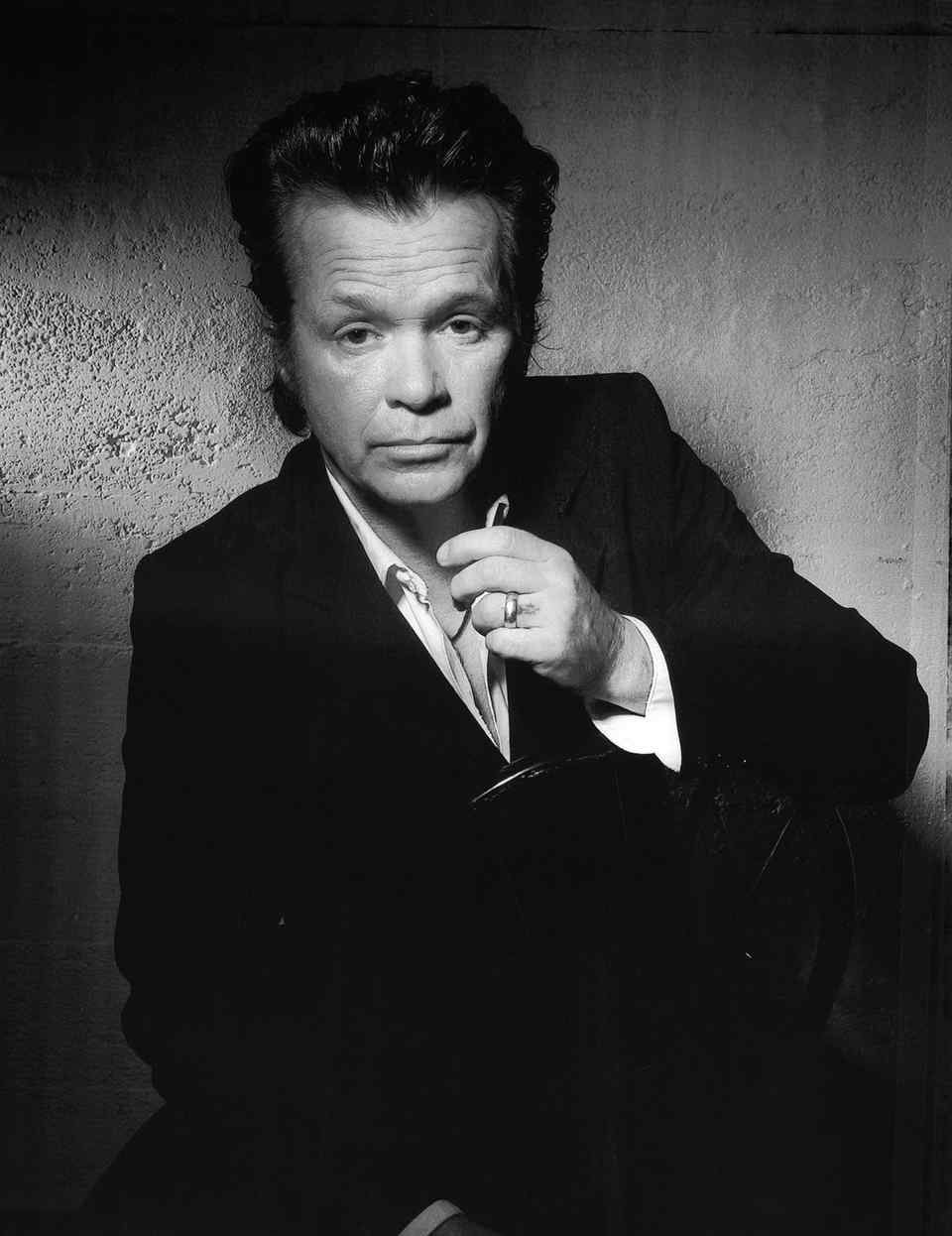
John Mellencamp, 58, backdates himself on “No Better Than This,” his 21st
studio album. With the producer T Bone Burnett, who also collaborated on Mr.
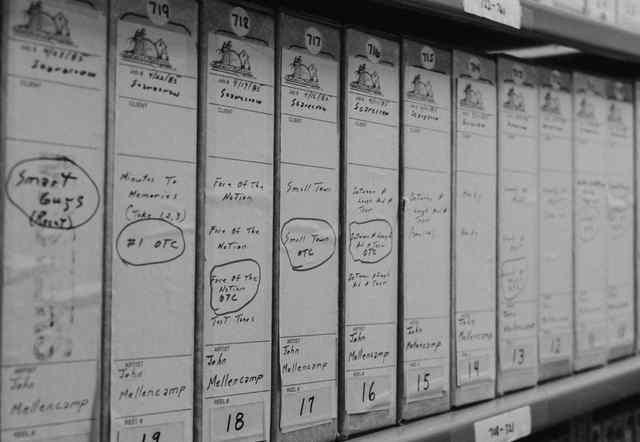
Mellencamp’s 2008 “Life, Death, Love and Freedom,” Mr. Mellencamp recorded in
mono on quarter-inch reel-to-reel tape, sharing a single vintage microphone with
his band. Working in hallowed rock and blues locations, they recorded nine songs
at Sun Studio (with the band positioned as Elvis Presley’s group was) and one in
Room 414 of the Gunter Hotel in San Antonio, where Robert Johnson sang blues
masterpieces in 1936. Three others used the First African Baptist Church in
Savannah, Ga., which calls itself “the oldest black church in North America.”
The pilgrimages didn’t humble Mr. Mellencamp. They spurred him to compete with
history. In Memphis, he went for bass-slapping, reverb-guitar rockabilly. In San
Antonio, he sang (as Johnson did) about being pursued by the Devil, with
ragtimey guitar plunking and bluesy violin. Throughout, he relies on refrains
rather than choruses and writes plenty of verses, more like traditional ballads
(or Woody Guthrie songs) than pop hits. Yet behind the period arrangements and
the antique haze of the production, they’re still Mellencamp songs. They can be
wry and plainspoken, like the waltzing tall tale “Easter Eve,” or earnest and
overreaching, like the attempted workingman’s parable “The West End.”
The album continues Stage 3 of a career in which Mr. Mellencamp has been a
hit-making bad-boy rocker and then a concerned (and still hit-making) heartland
Everyman. Since 2003, when he made “Trouble No More,” a collection of old blues
and folk songs, he has been a grizzled codger taking the long view, pondering
mortality and the meaning of life.
Though the title song is a happy foot-stomper, it’s outnumbered by testimonials
about being a man alone, abandoned by lovers and family and unsure of faith. The
singer considers suicide, in “A Graceful Fall” and “Each Day of Sorrow,”
undercutting self-pity with springy Memphis backbeats. He weathers betrayal and
solitude in “No One Cares About Me” and in “Don’t Forget About Me,” which
promises undying love while hurling accusations. And he manages a crooked grin
in “Love at First Sight,” imagining a lifelong relationship in a glance, and in
“Clumsy Ol’ World,” about how opposites attract.
As much as any programmed, multitracked pop extravaganza, “No Better Than This”
is inseparable from its technology. But the songs aren’t revivalist imitations;
they would be terser if they were. Mr. Mellencamp is a disillusioned grown-up
echoing the sounds of brash young men. He can’t undo the ravages and lessons of
time, any more than rock is going back to mono.
Back
|