|
|
 |
The New Yorker Magazine: No Better Than This Review
08.10.2010 - The New Yorker Magazine Cougar Town - By Ben Greenman
John Mellencamp; “No Better Than This”; Rounder Records; Ampex 601 Portable
Machine; Sun Studios; Elvis Presley; First African Baptist Church John
Mellencamp’s new album, “No Better Than This,” is his twenty-first studio
record, but it’s also a début of sorts. It’s his first album for Rounder
Records, the independent roots label, and it is, on the surface, a marked
departure from his other recordings, a spare folk-blues record that bears little
resemblance to the arena-friendly rock that carried him to stardom.
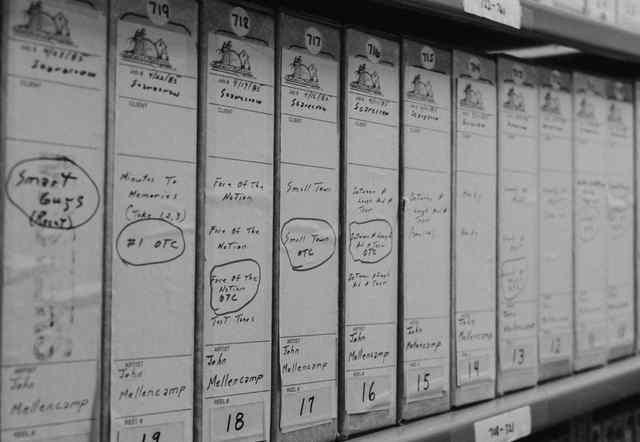
The album is drenched in historical significance. The songs, performed by
Mellencamp and a small band, were recorded in mono, on a nineteen-fifties Ampex
601 portable machine. Even more notable is where they were recorded: Mellencamp
committed his new compositions to tape at three landmark locations—Sun Studios,
in Memphis, where Elvis Presley, Jerry Lee Lewis, and others helped invent rock
and roll in the mid-fifties; the First African Baptist Church in Savannah, one
of the oldest African-American congregations in the United States; and the
Gunter Hotel, in San Antonio, where Don Law recorded the Delta blues legend
Robert Johnson in 1936.
Mellencamp’s approach raises all kinds of red flags about self-consciousness and
self-importance. But from the first verse of the album’s opener, the gently
defiant “Save Some Time to Dream,” it’s evident that this wise, charming album
is less a stiff historical re-creation than a highly personal testimonial on the
order of Bob Dylan’s “Good as I Been to You” or Loudon Wainwright III’s “High
Wide & Handsome: The Charlie Poole Project.” In fact, the traditional forms seem
to free up Mellencamp’s songwriting; he can be a strident lyricist, but here his
anger subsides and his generous storytelling gift comes to the fore. The title
track and “Each Day of Sorrow” are intense, limber rockabilly numbers. “Thinking
About You” is a plainspoken love story that recalls Mellencamp’s sometime
collaborator John Prine. “Easter Eve,” a tale of manhood and violence with
plenty of left turns, plays like a younger cousin to Dylan’s “Highlands.” And
“No One Cares About Me,” lyrically bleak, is set to music that is fleet and
engaging. Mellencamp has been heading in this direction for a while. After
“Cuttin’ Heads,” in 2001, a strong album loaded up with guest stars like Chuck D
and Trisha Yearwood, his work became progressively darker. On “Trouble No More,”
in 2003, he covered blues and folk standards; “Freedom’s Road” and “Life, Death,
Love and Freedom” offered pessimistic appraisals of the state of the nation. An
explicit return to folk, blues, and early rock could have been a kind of
memorial service; instead, it’s a loose, lovely celebration.
Back
|