|
|
 |
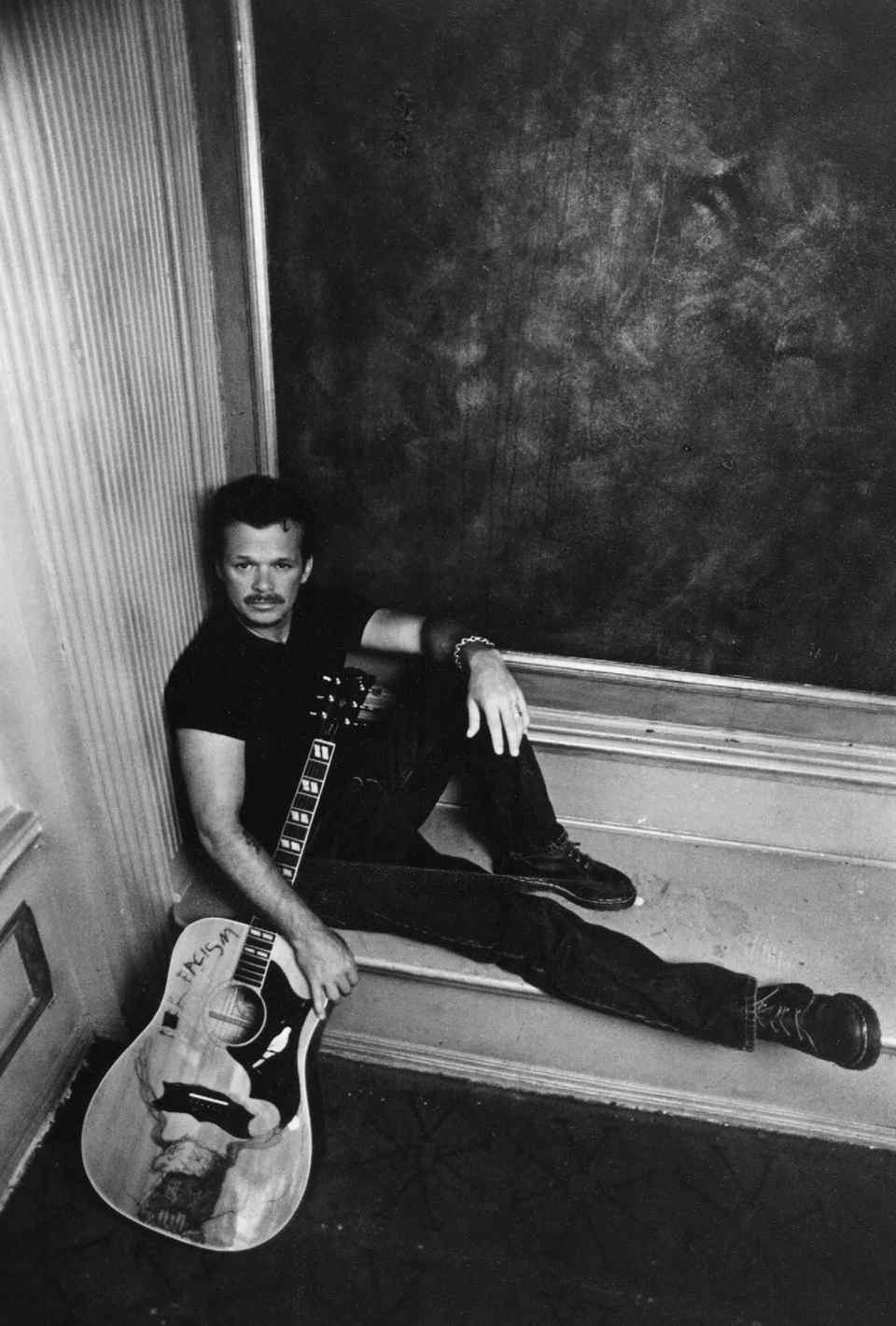
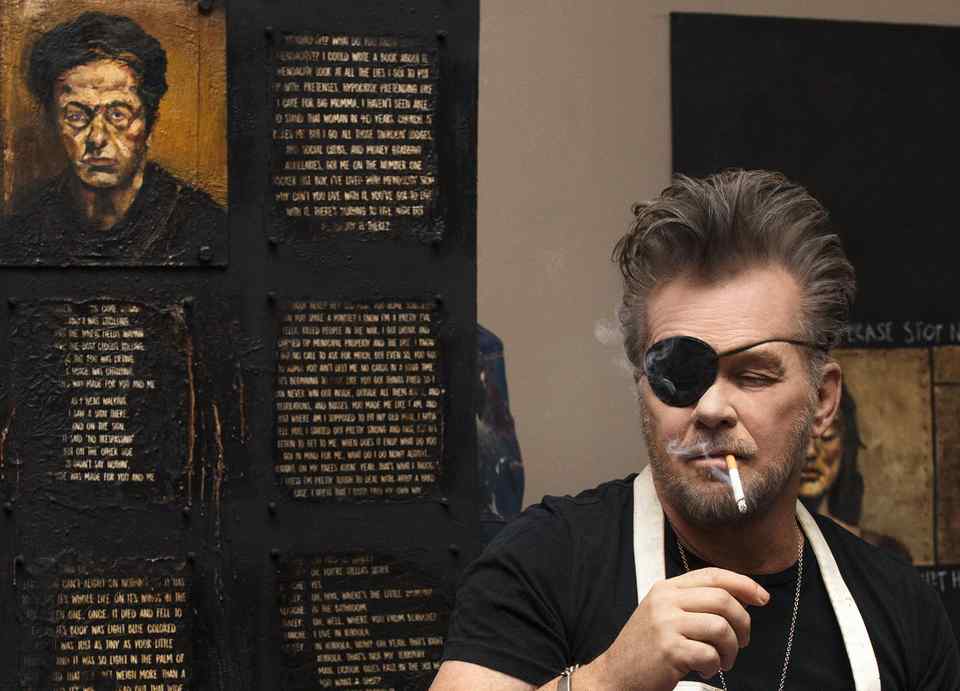
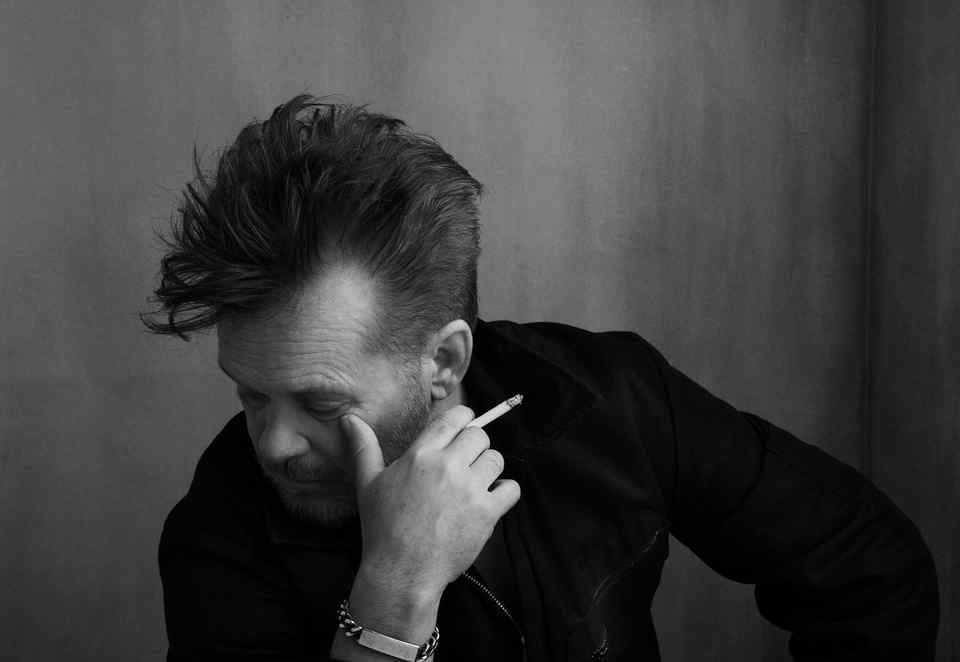
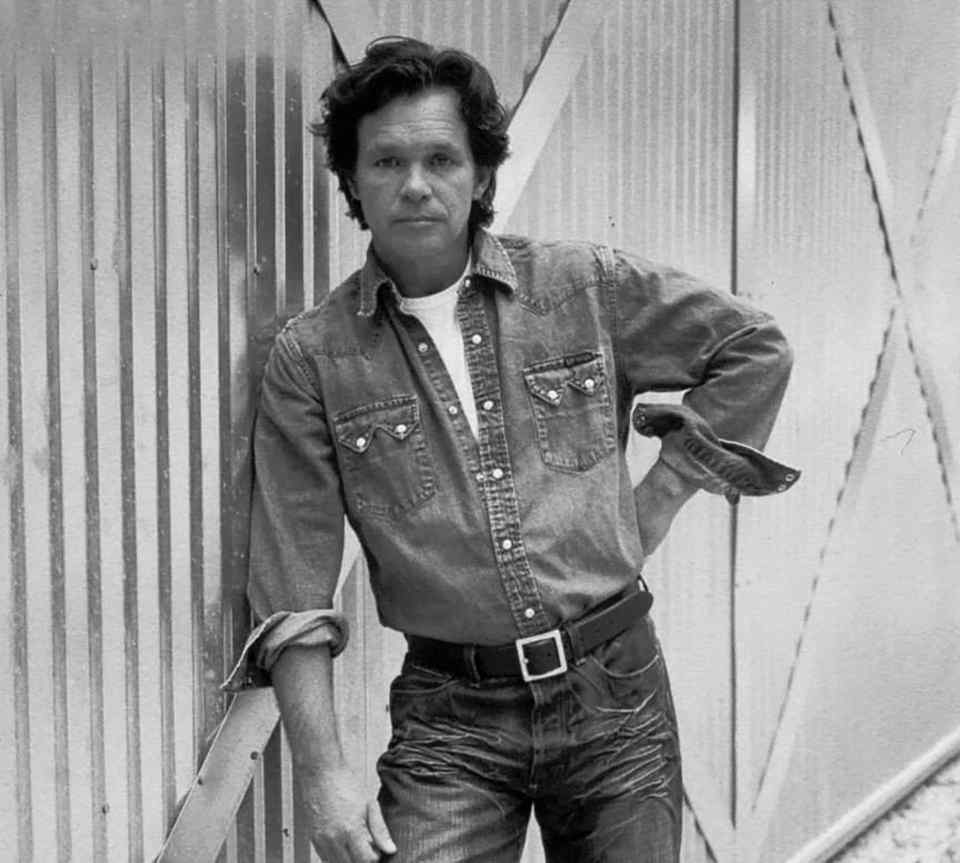
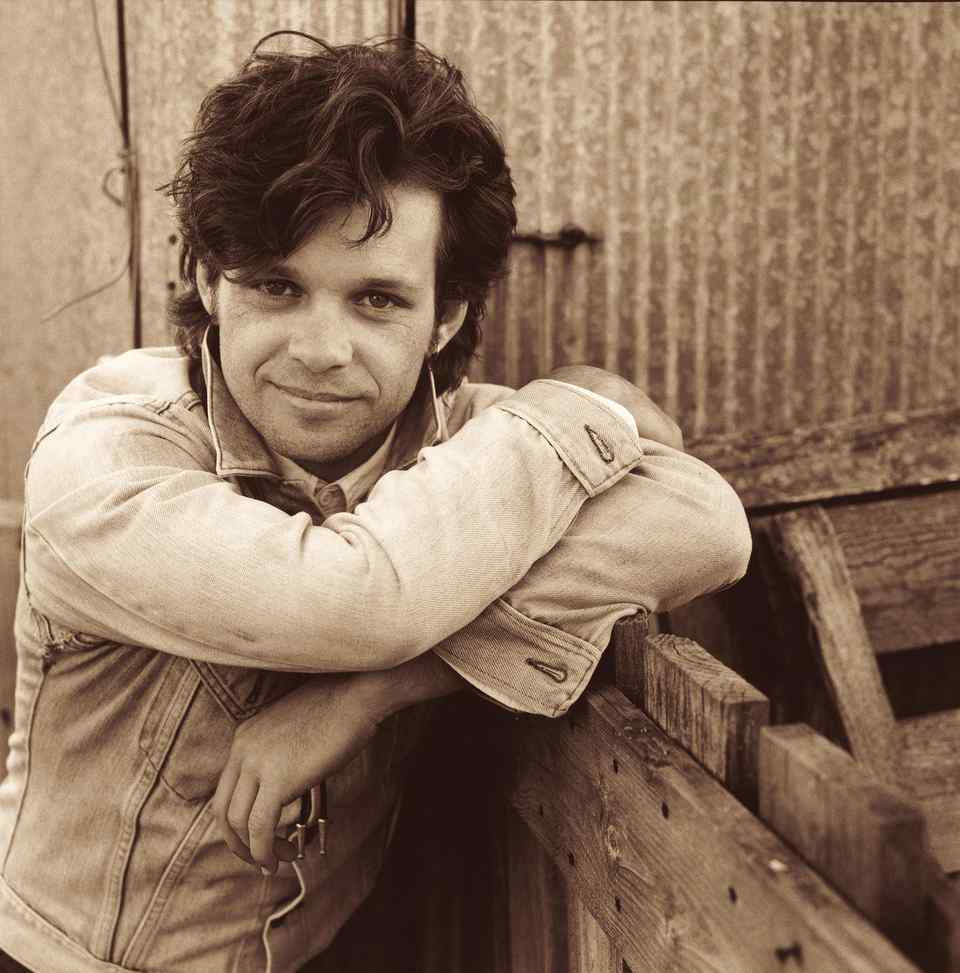
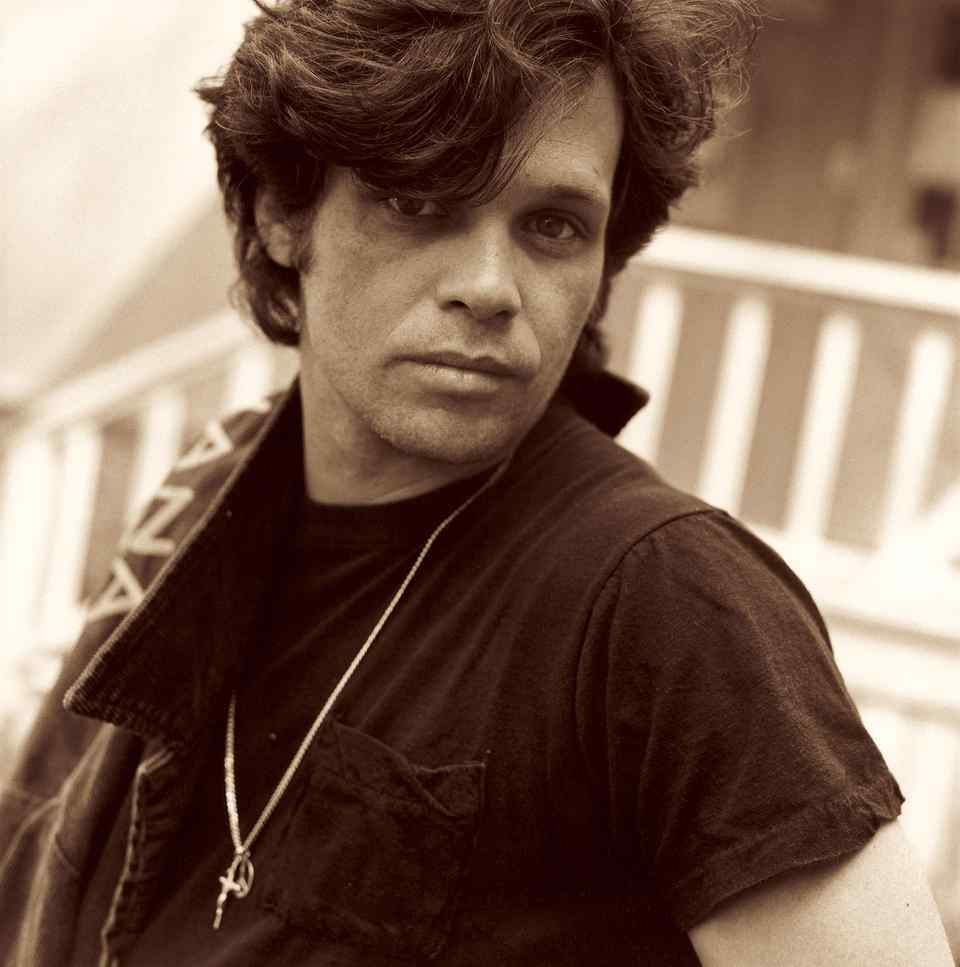
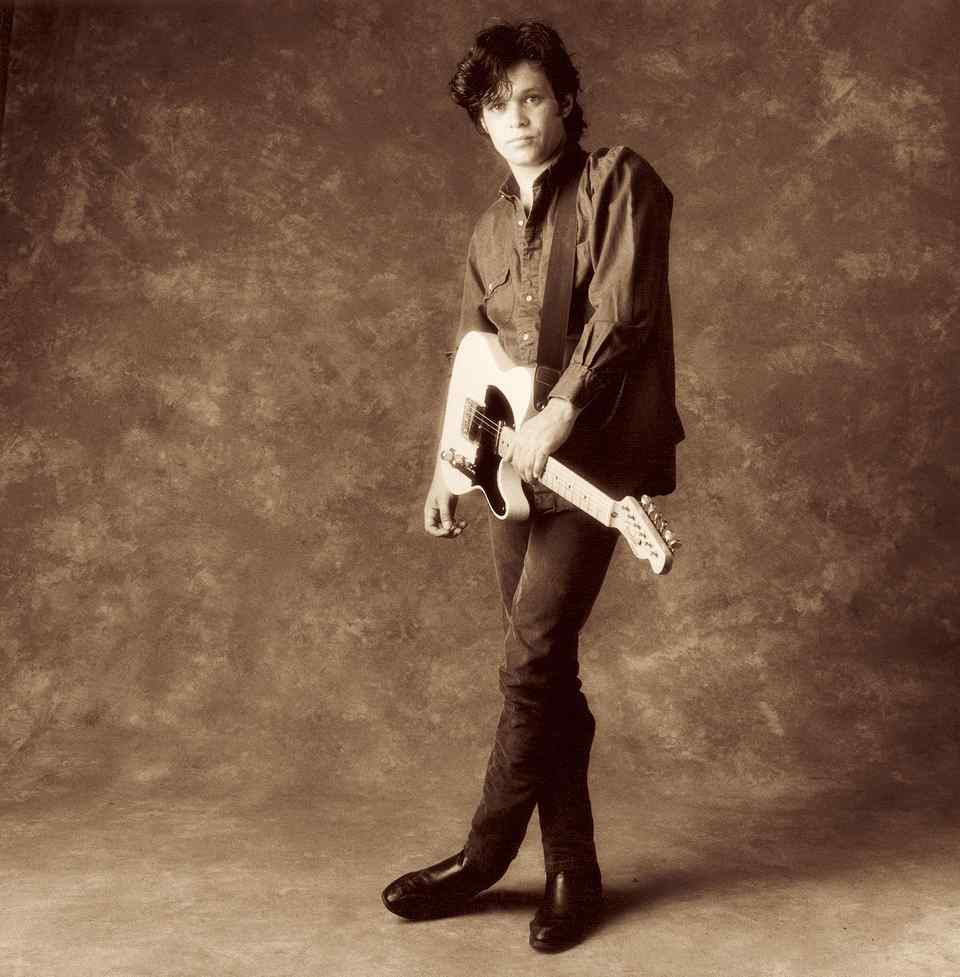
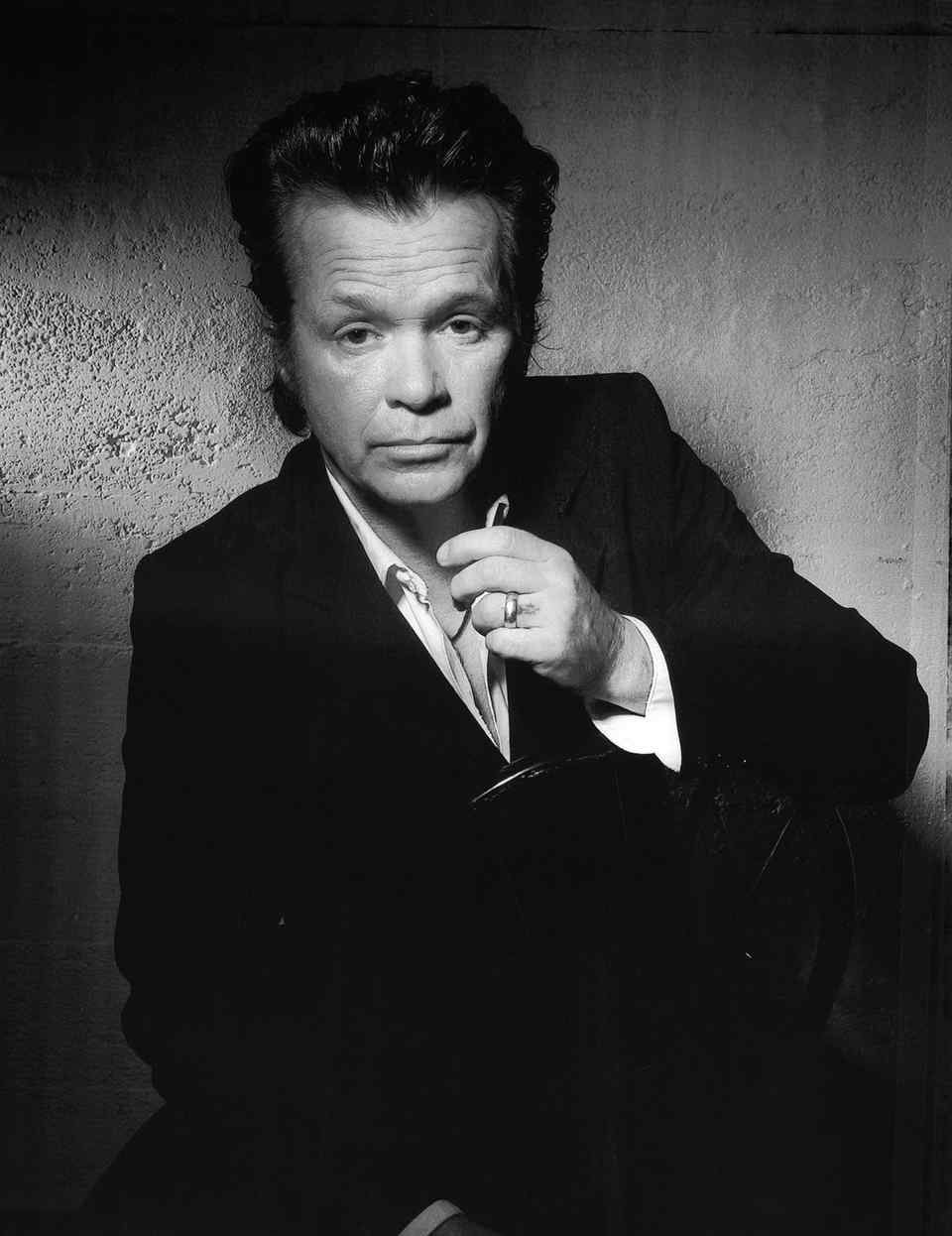
No Depression Blog: John Mellencamp - American Troubadour
02.26.2010 - By Adam Sheets - Sometime in the next week as part of my job, I will be writing a newspaper
review of the new Johnny Cash album. However, I will probably not post it here
because it will probably not live up to the high standards of this site. To be
honest, I'm not really looking forward to it.
"What?," you ask, "You're not looking forward to new Johnny Cash?!" Of course I
am looking forward to the music itself; in fact, I can hardly wait until
tomorrow for the release, but what I am not looking forward to is writing a
review whose intended audience is people who did not know Johnny Cash ever
existed until after he was dead.
That is why I am thankful for No Depression and the great work done by all of
you here. You guys actually care about quality music and a good blog post or
video on this site can brighten up a bad day. I'm hoping the following can maybe
do the same for one of you.
Prior to my discovery of more “underground” Americana artists like Uncle Tupelo
and the Bottle Rockets, most of the music I listened to could still be
considered Americana; I just didn't know it. There was CCR, Dylan, the Byrds,
the Band, Johnny Cash, Kris Kristofferson, Neil Young, etc. But for the
narrative ballads of the working class, songs I could and still do relate to, I
relied on people like Springsteen, Seger, Petty, and Mellencamp. All of these
artists have a place in the Americana genre, in my opinion, but none more so
than Mellencamp. He was often called “the poor man's Springsteen” in the early
days but he outgrew that label long ago.
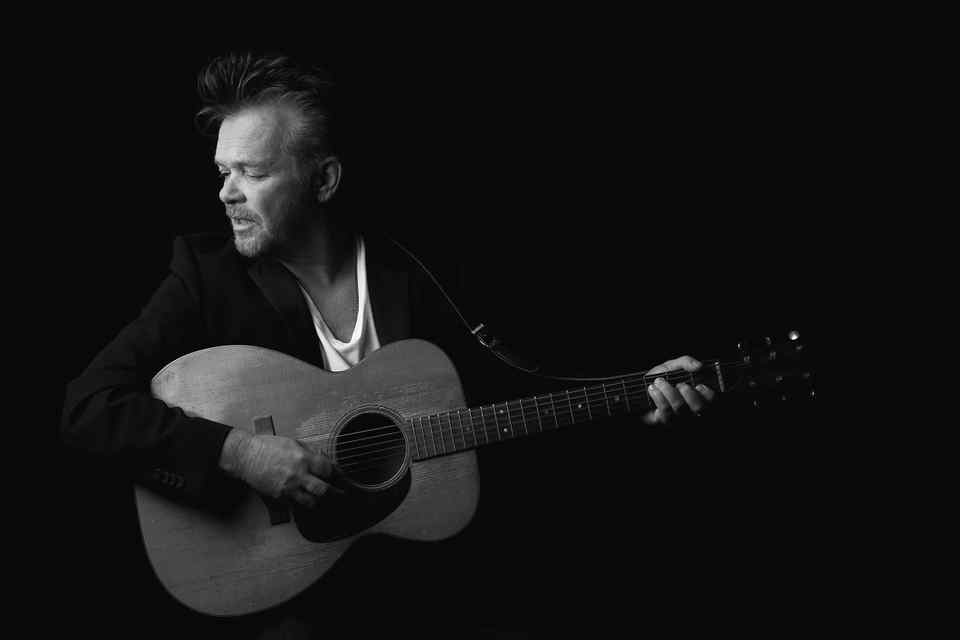
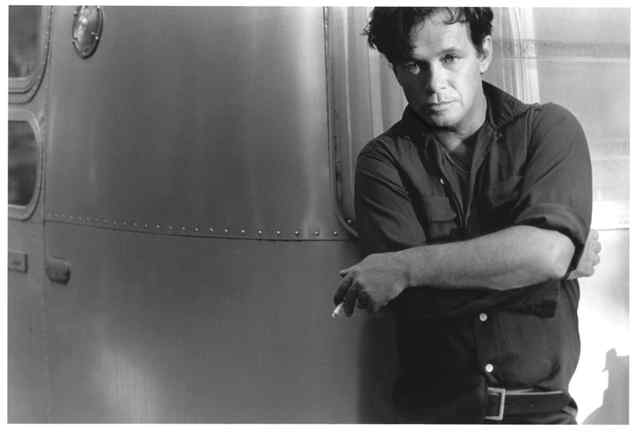
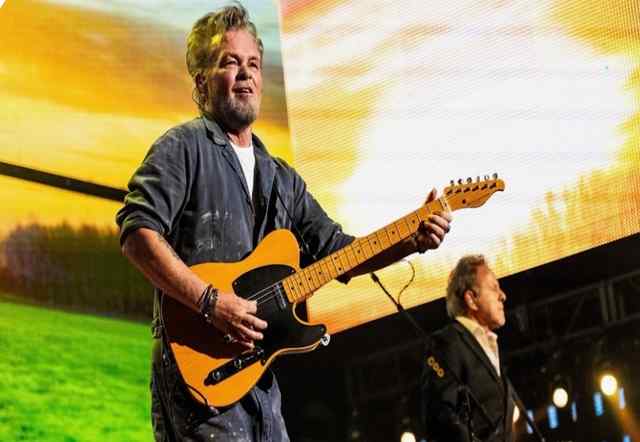
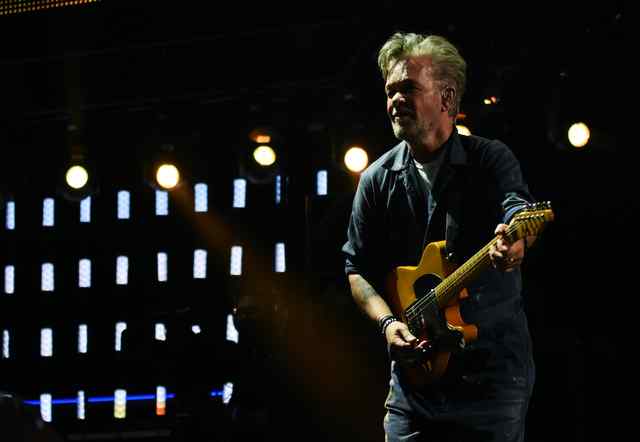
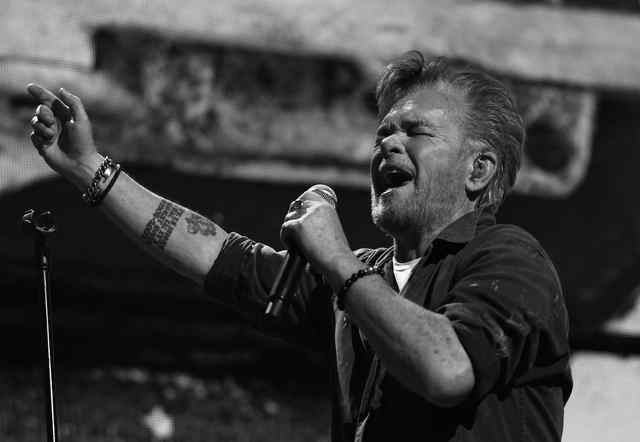
John Mellencamp, in my opinion, is remembered more for an unfortunate mistake
during his early career than an excellent 30+ year body of work. And the worst
part is that one of the mistakes was not even his and was not even very unusual.
From Mark Twain to Bob Dylan to John Wayne, dozens of iconic figures have
changed their names to achieve stardom. True, none of those names were half as
ridiculous as "Johnny Cougar", but it was the '70s and it was nowhere near the
MOST ridiculous stage name, nor is it the most ridiculous stage name ever
invented (for proof, just look at this week's hip-hop charts).
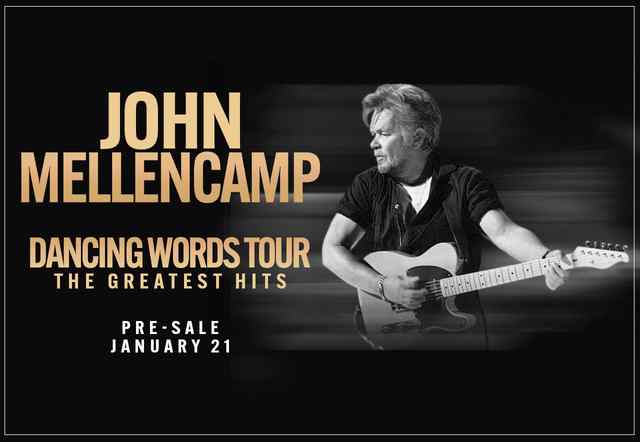
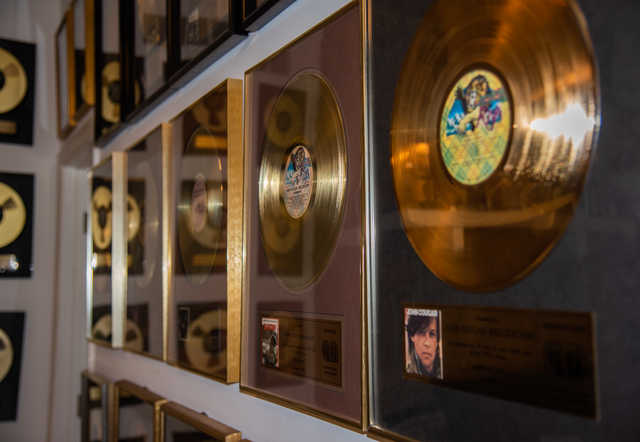
This decision, however, was made by his manager in 1975, with no approval by
Mellencamp. Why didn't he change it when he changed managers? Try to look at it
from his perspective: he was a young up-and-coming singer who certainly didn't
want to lose the fan base he currently had, however small that base may be. He
ended up adding his real surname at the absolute height of his popularity, which
says a lot about his integrity.
I've had to spend two paragraphs defending him and what are we forgetting while
we read that? The most important aspect: the music. Simply put, I think
Mellencamp could possibly be the most commercially successful of all Americana
artists, and although commercial success sometimes means bad music, in this case
it does not. His music is very rural in nature, yet with an urban R&B feel that
he picked up from the radio, like if Hank Williams had lived to lead a garage
band in the mid-'60s. His influences range from rockabilly, traditional country,
pre-WWII country blues, British folk music of the 1960s, early punk rock, and
everything in between. Now can a guy like that really be that bad?
I will give you a suggestion of albums you may want to check out depending on
your tastes.
If you are into pure, Rolling Stones, flavored rock 1983's classic rocker
Uh-Huh and 1991's edgy and slightly experimental Whenever We Wanted
can't be beat. “Crazy Ones” from the latter sounds like a classic Buck Owens
honky tonk tune, filtered through a punk aesthetic, then played by a Midwestern
bar band who did not have a volume control on their amps. The fact that it is
completely original (and relatively minor in his catalog) says a lot about the
conglomeration of influences he has.
Roots rock fans will enjoy 1979's John Cougar, 1985's Scarecrow,
1999's Rough Harvest and 2007's Freedom's Road. It was the first
album of that group which made me a fan when he told my life story in vivid
detail on “The Great Midwest”. To most, that would just be a decent song, to me
it was a song that changed my life.
Folkies should like 1987's rustic The Lonesome Jubilee, 1989's extremely
quiet and personal Big Daddy, 2003's cover album Trouble No More,
and 2008's Life, Death, Love and Freedom. These albums are where he
really takes risks, whether adding instruments traditionally associated with
bluegrass and other folk genres, transforming a traditional tune made famous by
Charlie Poole into a protest of the Iraq War, or laying himself bare, as on
Big Daddy or Life, Death, Love and Freedom. It is the latter that I
want to talk about for a while here because there are some of you who probably
haven't given him a chance since the 1980s.
Life, Death, Love and Freedom is both the most recent (until later this
year), as well as the best album of his career. It is the one where he finally
got it 100% right and I would have a hard time not calling it the best album of
the last decade (even the normally clueless Rolling Stone named it the 5th best
of its release year).
Part of it is that he has finally found the right producer. He seems to be a
'30s folkie stuck in the body of a '70s rock star and who better to produce him
than T Bone Burnett who knows a thing or two about the music of that era. This
is a very minimalist approach and given the overtones throughout about death and
loneliness, I immediately thought of three things upon first hearing it: Dock
Boggs, Johnny Cash, and Springsteen's Nebraska.
The album begins with “Longest Days”, with just a foreboding acoustic guitar and
Mellencamp's vocals. Here he makes it clear that his hit-making days are over
and having previously broken up “Jack and Diane” on one of his '90s albums, here
he buries them for good. “All I got here,” he moans, “is a rear-view
mirror/reflections of where I've been/so you tell yourself I'll be back on top
someday/But you know there's nothing waiting up there for you anyway”.
This attitude continues throughout the record on the song “If I Die Sudden”, a
tune very reminiscent of “In My Time of Dying” where he growls orders about what
to do in the event of his death as a Jimmy Reed electric guitar pattern plays
beneath him.
Elsewhere on the album he laments that “All my friends are sick or dying and I'm
here all by myself/All I got left is a headful of memories and the thought of my
upcoming death”, displays his dark humor on “John Cockers”, asks Jesus to save
him and admits suicidal thoughts on “A Ride Back Home”, and ventures into Phil
Ochs' territory with “Without a Shot” and “Jena”, the former containing a
beautiful Gothic mandolin.
There was always a darkness below the surface of even his most commercial music
and here he brings it to the forefront.
Mellencamp has always been a huge fan and supporter of the Americana genre,
performing a Steve Earle songs in concerts long before Earle was well-known,
writing songs for The Blasters, and producing albums for James McMurtry. He was
also a member of the short-lived supergroup The Buzzin' Cousins, along with
McMurtry, John Prine, Joe Ely, Jimmie Dale Gilmore, and Dwight Yoakam. I tend to
believe that Mellencamp himself has been an Americana artist since at least
1985, and possibly sooner.
Personally, I hear his influence every time I listen to artists like Deer Tick.
But this is a participatory community, so what do y'all think?
Click HERE to read the No Depression Blog online and read the comments.
Back
|