Bloomington Herald Times: White House Concert Shows The Times Are A-Changin’
02.15.2010 - By Mike Leonard - Commentary - There was a point before the musical program
at the White House last week when John Mellencamp looked around the room and
wondered, “What am I doing here?”
The singers and performers assembled were mostly African-American and rightly
so. The program was put together in recognition of Black History Month and
titled, “In Performance at the White House: A Celebration of Music from the
Civil Rights Movement.”
Morgan Freeman, Smokey Robinson, Natalie Cole, Yolanda Adams, the Five Blind
Boys from Alabama. That all made sense. All had either lived through the civil
rights era of the late 1950s and ‘60s or lived it vicariously through family
members and mentors.
Of the three white entertainers there, Bob Dylan clearly belonged. When he wrote
“The Times They Are A-Changin’,” the civil rights movement was very much on his
mind.
Joan Baez helped galvanize the aspirations of blacks and whites with her
ethereal version of the spiritual, “We Shall Overcome.” She played an important
role in the movement as well.
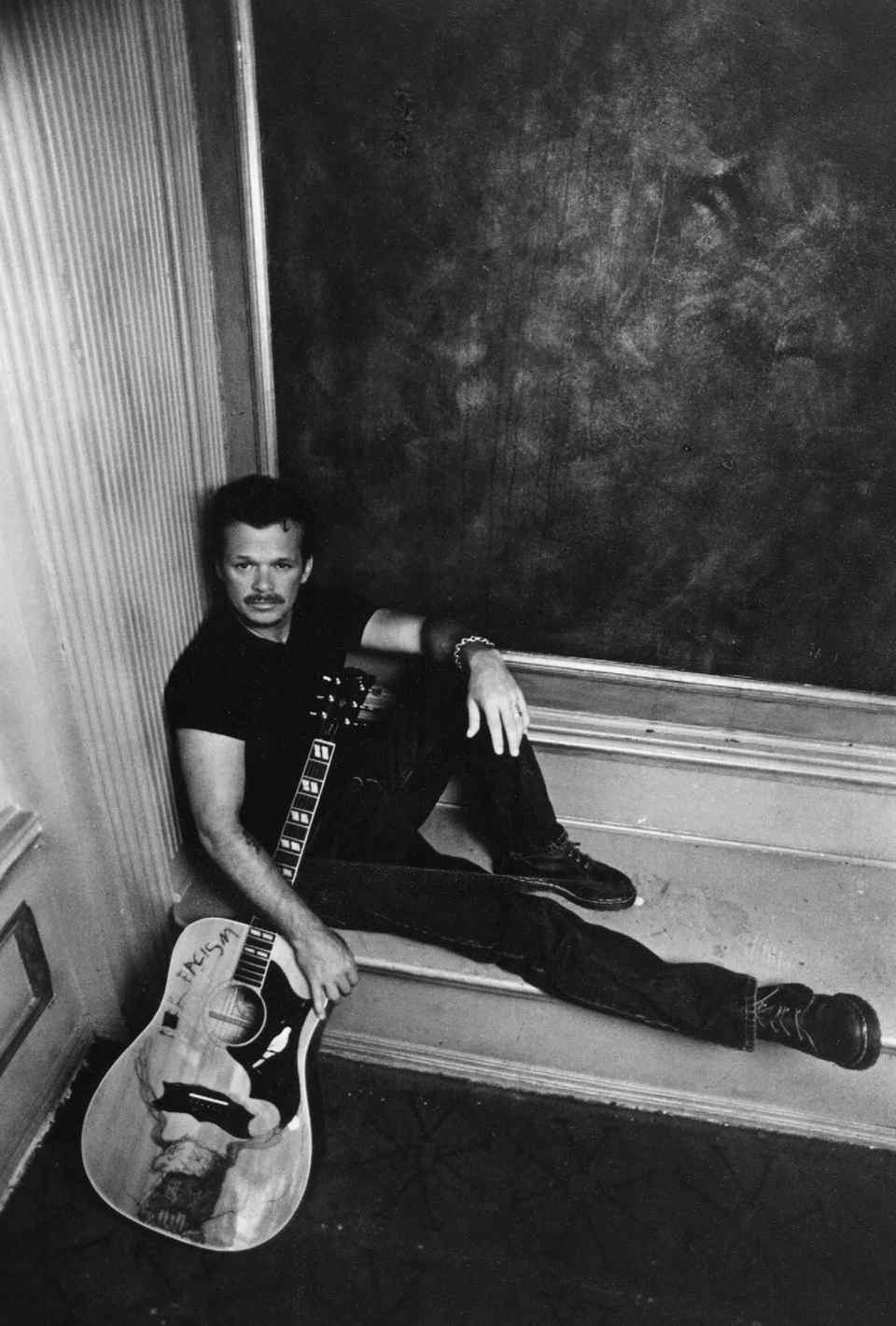
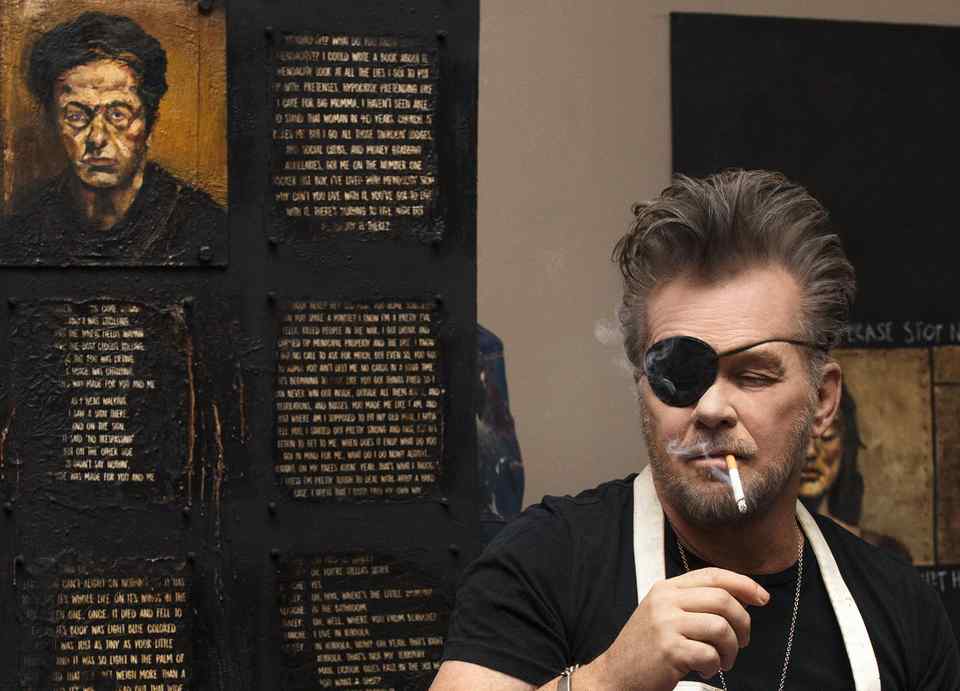
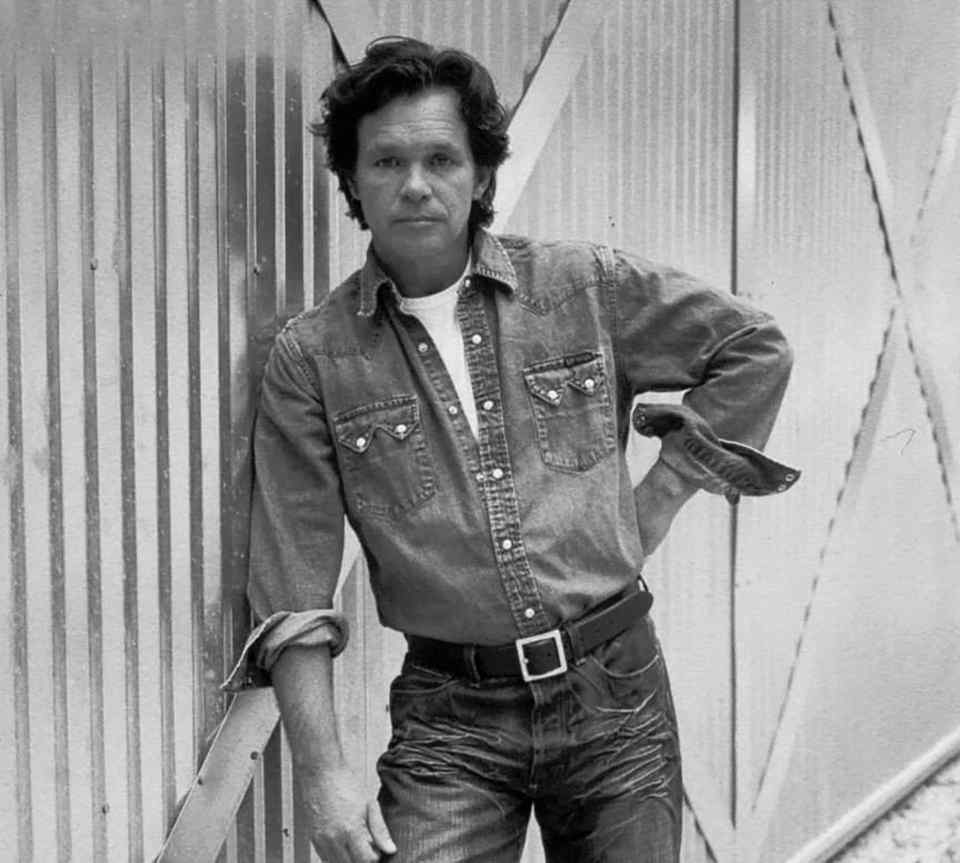
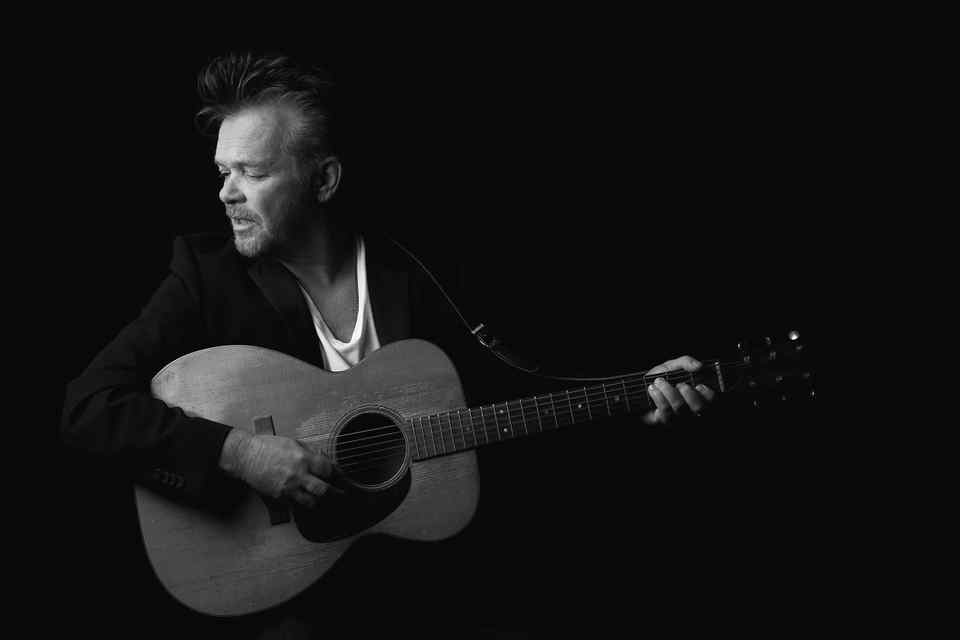
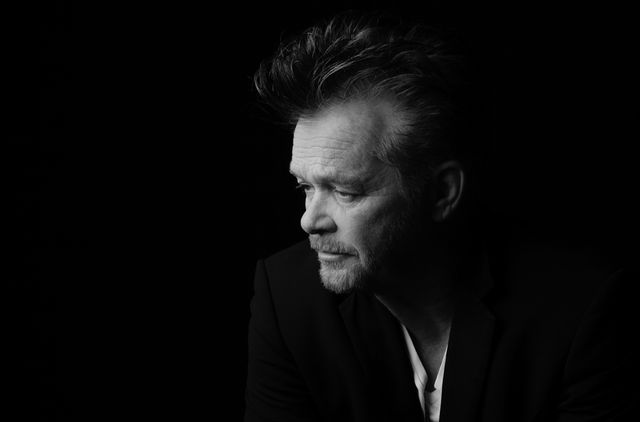
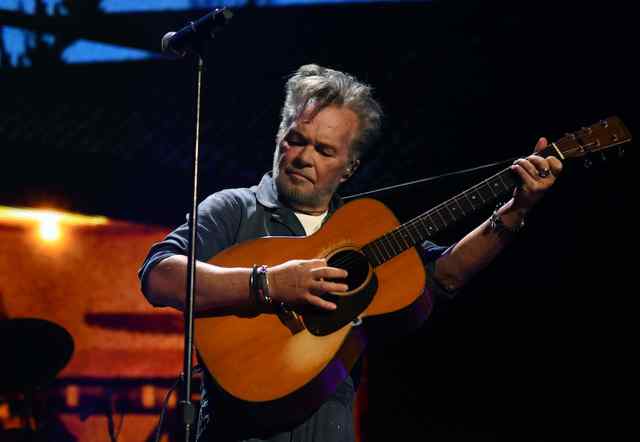
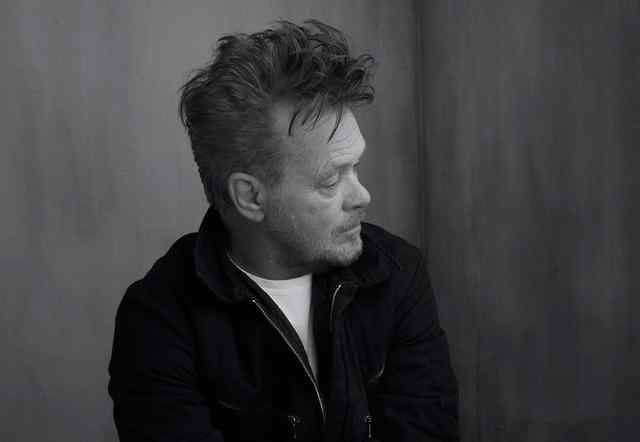
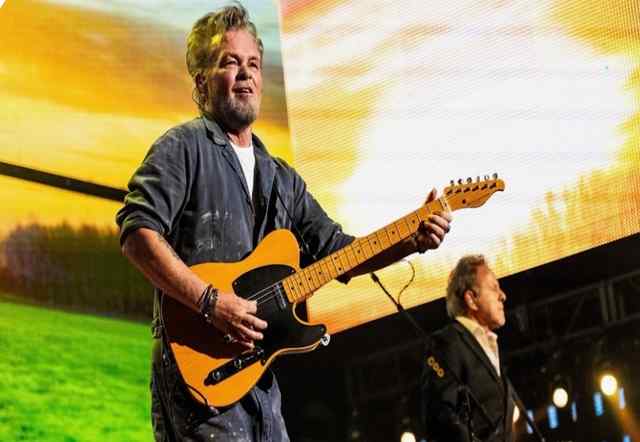
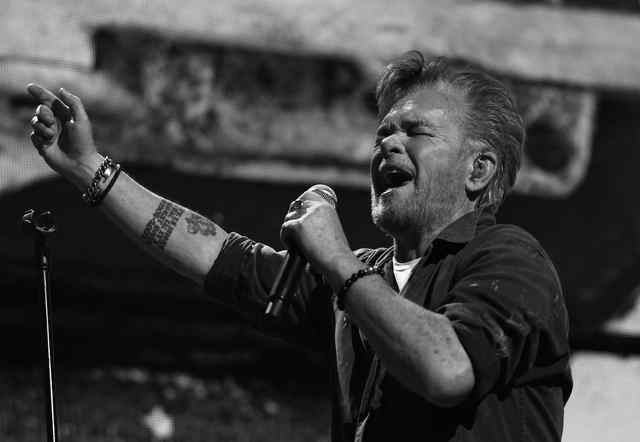
But for all of his musical success, the Bloomington-based Rock and Roll Hall of
Fame member still wondered, “Why me?”
He posed the question to Baez. And she answered with a tone that n assured him.
“Because you actually deal with race in your repertoire,” Baez said. “Most
people don’t anymore.”
Baez knew that much first-hand. She sang a duet with Mellencamp on the song “Jim
Crow” for his 2007 album, “Freedom Road.”
It’s hard to say whether Dylan was prescient or merely hopeful when he wrote
“The Times They Are A-Changin’.” But if you were to have asked anyone in 1963
whether they could conceive of an African-American occupying the White House in
2010, you likely wouldn’t have gotten much affirmation.
Change has come in fits and spurts, as they say. Even a year before his
election, most people would not have predicted that Barack Obama would become
the first African-American president.
And less than three years ago, you wouldn’t have seen Baez on any list of the
president’s honored guests.
Mellencamp pushed for the opportunity to entertain recovering soldiers at the
Army’s Walter Reed Hospital in April 2007, just months after the Washington Post
broke the story that the facility was in terrible shape and its patients were
getting less than the first-class care they deserved.
After some behind-the-scenes bureaucratic battles, Mellencamp got the military’s
OK. But when he said he was bringing Baez with him to sing on a couple of songs
(including “Jim Crow”), the answer was an emphatic no-go. “Joan had her plane
ticket and hotel booked,” Mellencamp told Rolling Stone magazine. “They didn’t
give me a reason why she couldn’t come. We asked why, and they said, ‘She can’t
fit here, period.’”
First Lady Laura Bush once canceled a White House poetry reading out of the fear
that someone might say something controversial — to her ears — about war. Seven
years later, protest singers are invited guests, and military officials and the
secretary of Defense are telling the public that “Don’t Ask, Don’t Tell”
discriminates against homosexuals and deprives the military of talented and
dedicated personnel they sorely need.
Change has not been incremental. But it’s real.
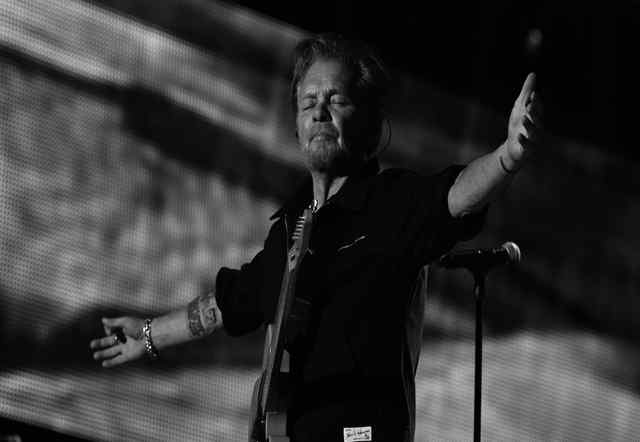
"Keep Your Eyes on the Prize" at the White House Celebration of Music from the Civil Rights Movement