|
|
 |
P3 Update: On Tour with John Mellencamp
01.05.2011 -
P3 Update By Bob Fisher
Fans around the world have purchased more than 40 million record albums
featuring music by John Mellencamp, including 22 of the top 40 all-time
best-selling songs. Photographer/Filmmaker Kurt Markus and his son Ian literally
followed Mellencamp to 26 cities in 18 states while making It’s About You, a
documentary about the musician’s six-week concert tour with Willie Nelson and
Bob Dylan in summer of 2009. Markus produced this documentary, his first, at
Mellencamp’s invitation.
For the duration of the tour, Markus and his son rode in a car that followed
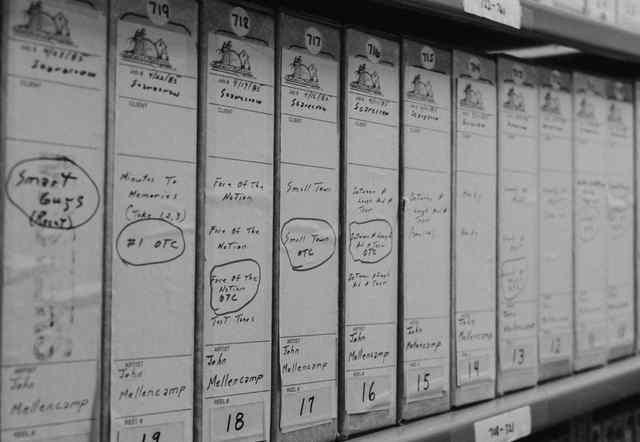
Mellencamp and his entourage. They used Super 8 film to record approximately 15
hours of performances and behind-the-scenes footage. Mellencamp has since shown
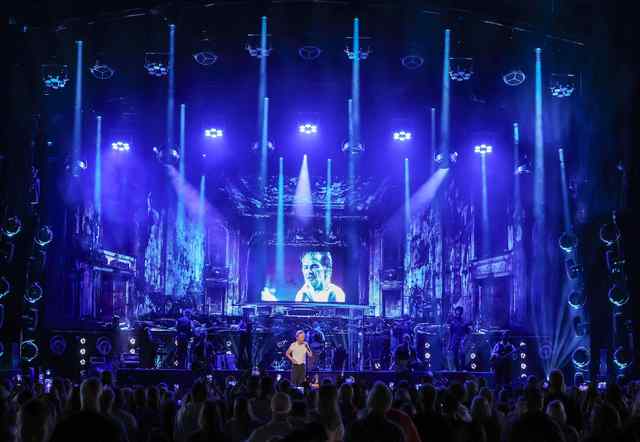
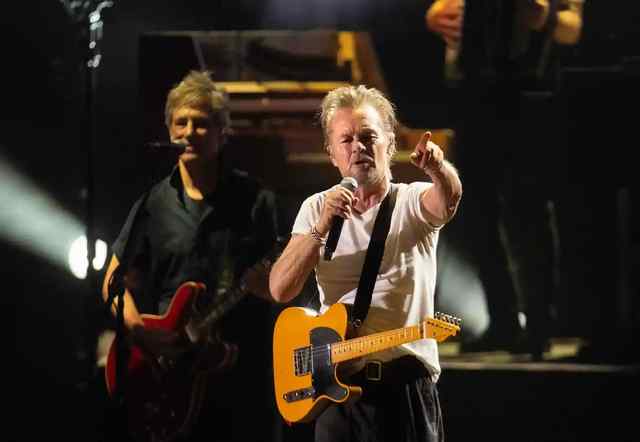
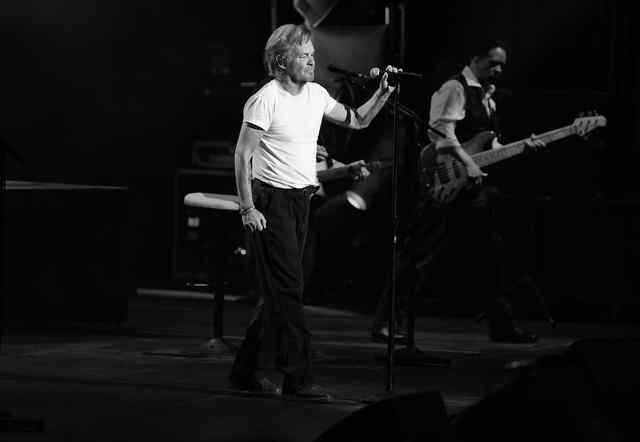
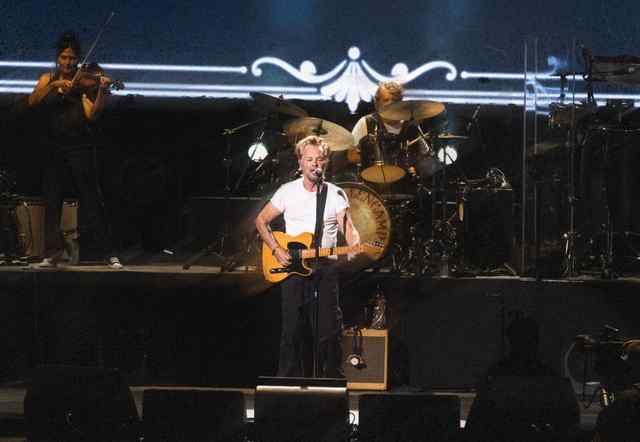
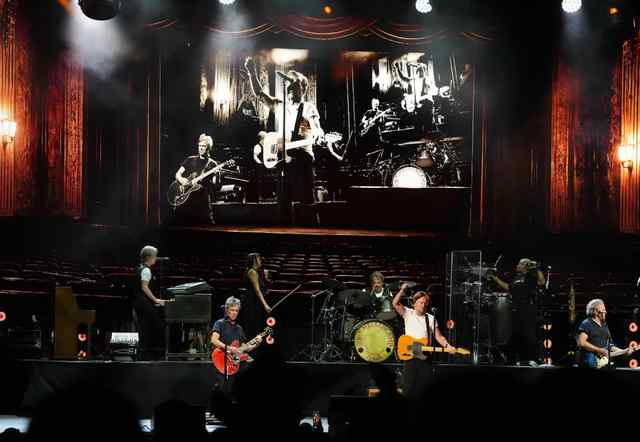
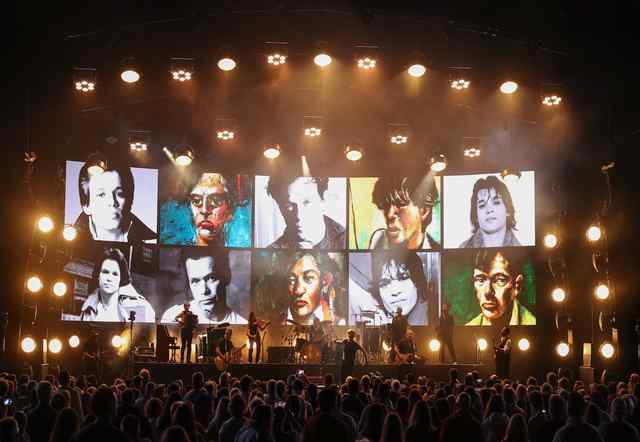
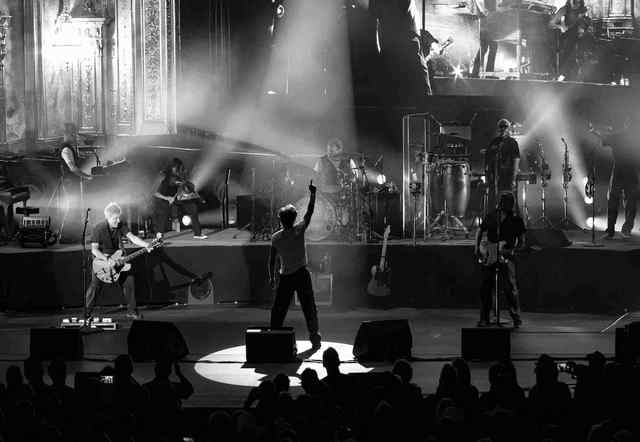
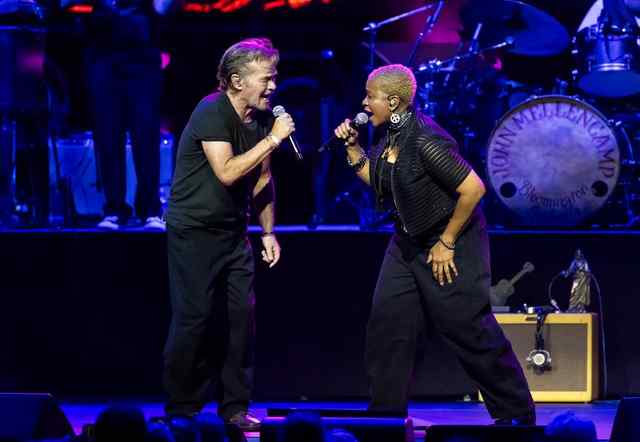
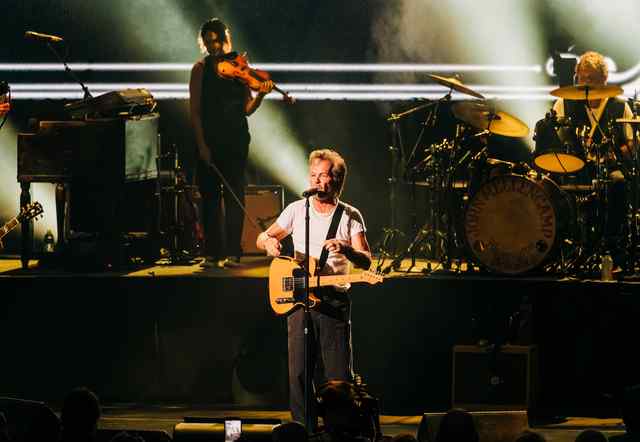
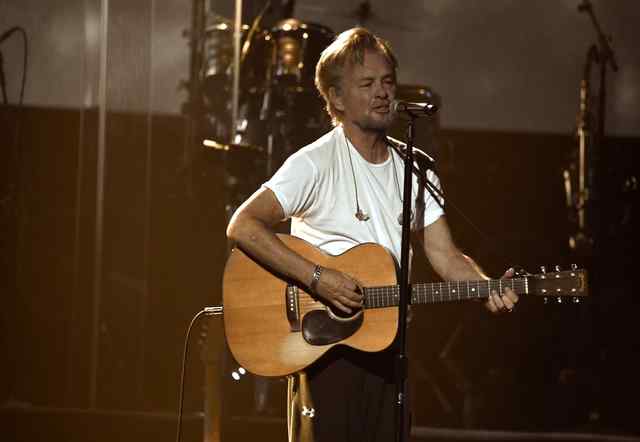
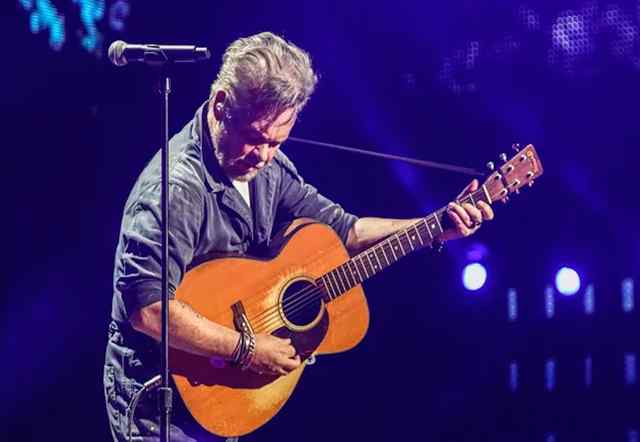
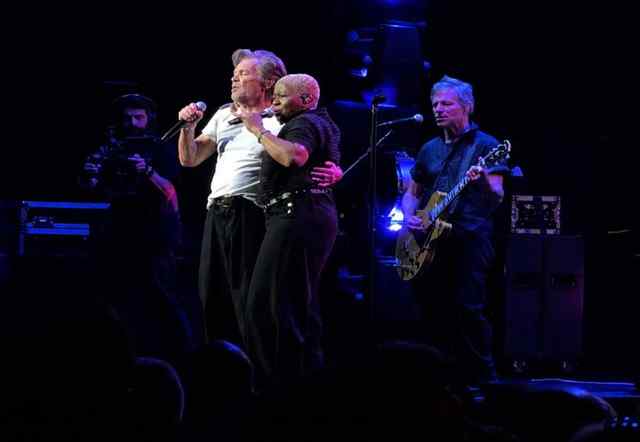
an abbreviated version of the doc to audiences during his six-week 2010 concert
tour that began in Bloomington, Ind. in October. After seeing the film, one
journalist wrote, “Watching this documentary before hearing John Mellencamp
perform is like eating dessert before dinner.”
There are no interviews in It’s About You. “It’s not about me,” Mellencamp has
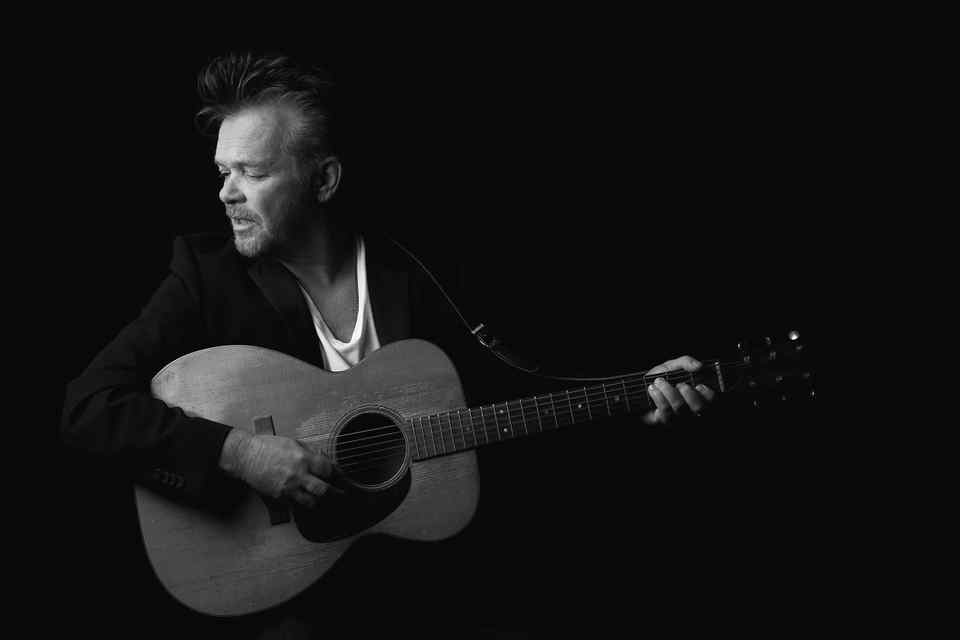
told his audiences, “It’s about Kurt being with me.” The documentary blends
music and images from concert performances and studio recording sessions during
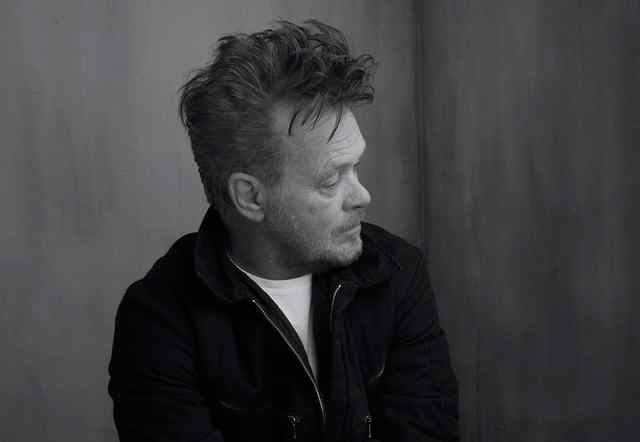
the tour with a pensive Mellencamp on the streets of some run-down cities. The
musician’s facial expressions and body language as he observes shuttered
buildings in once-thriving towns speak louder than words.
The story behind the making of the documentary is much like a script for an
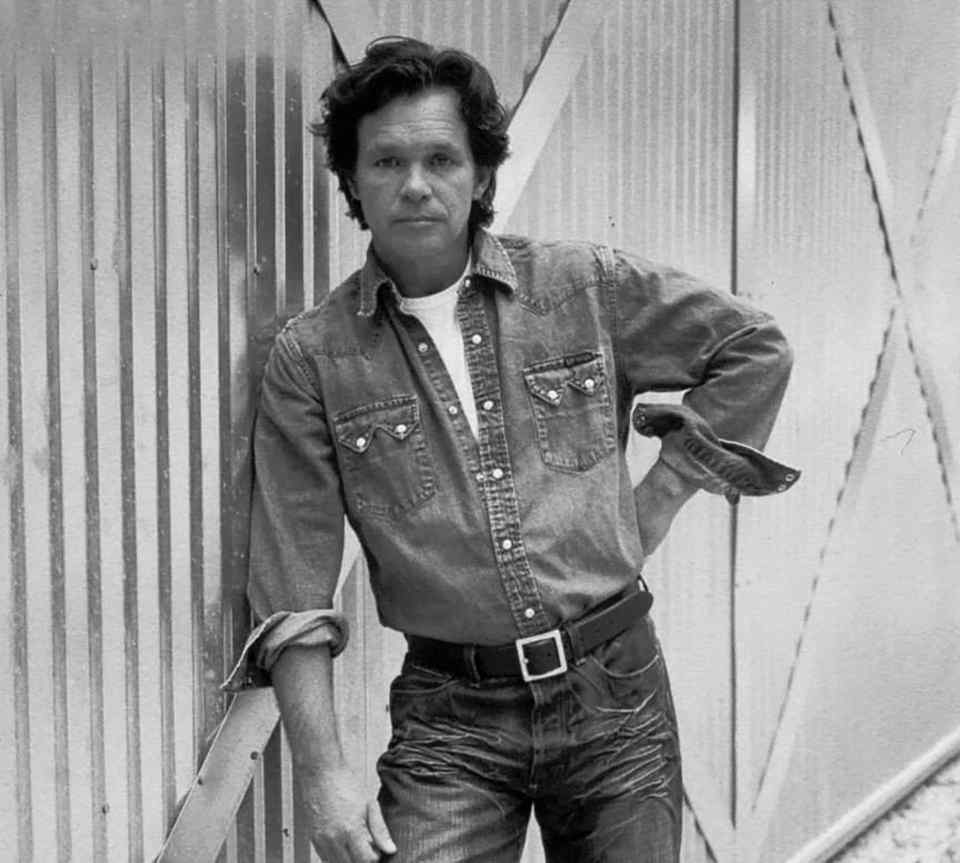
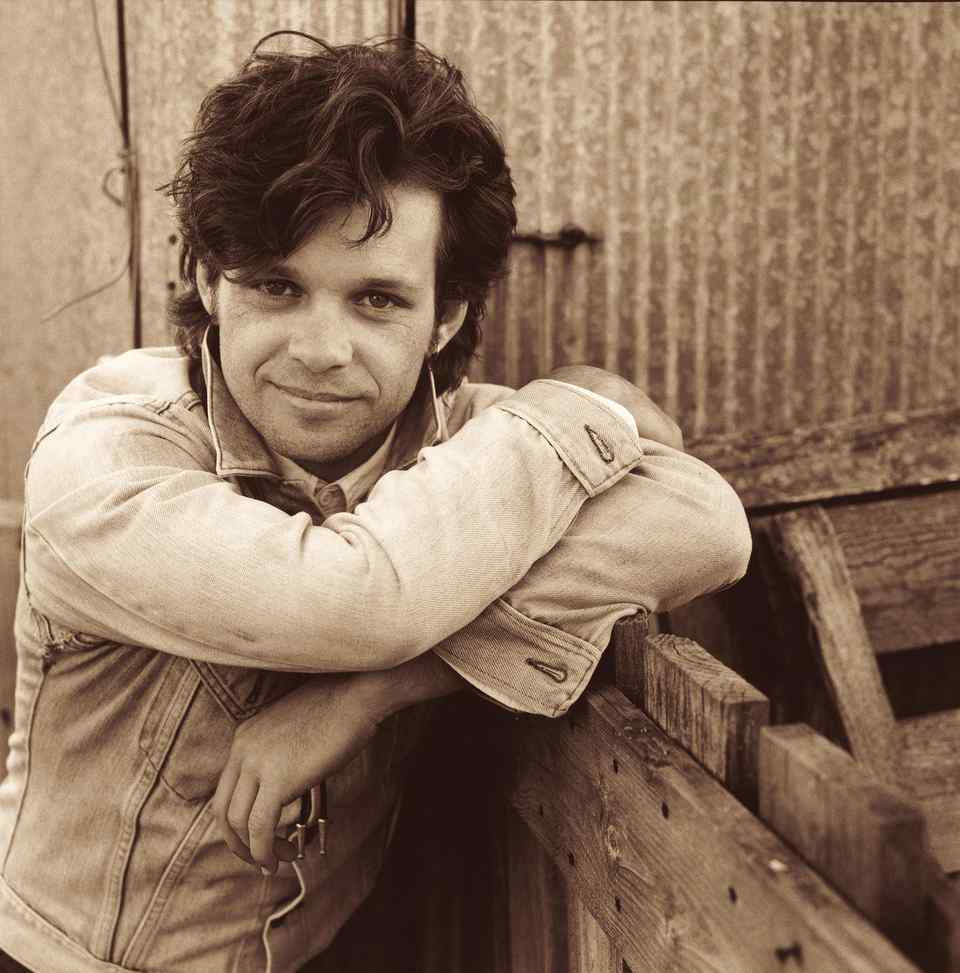
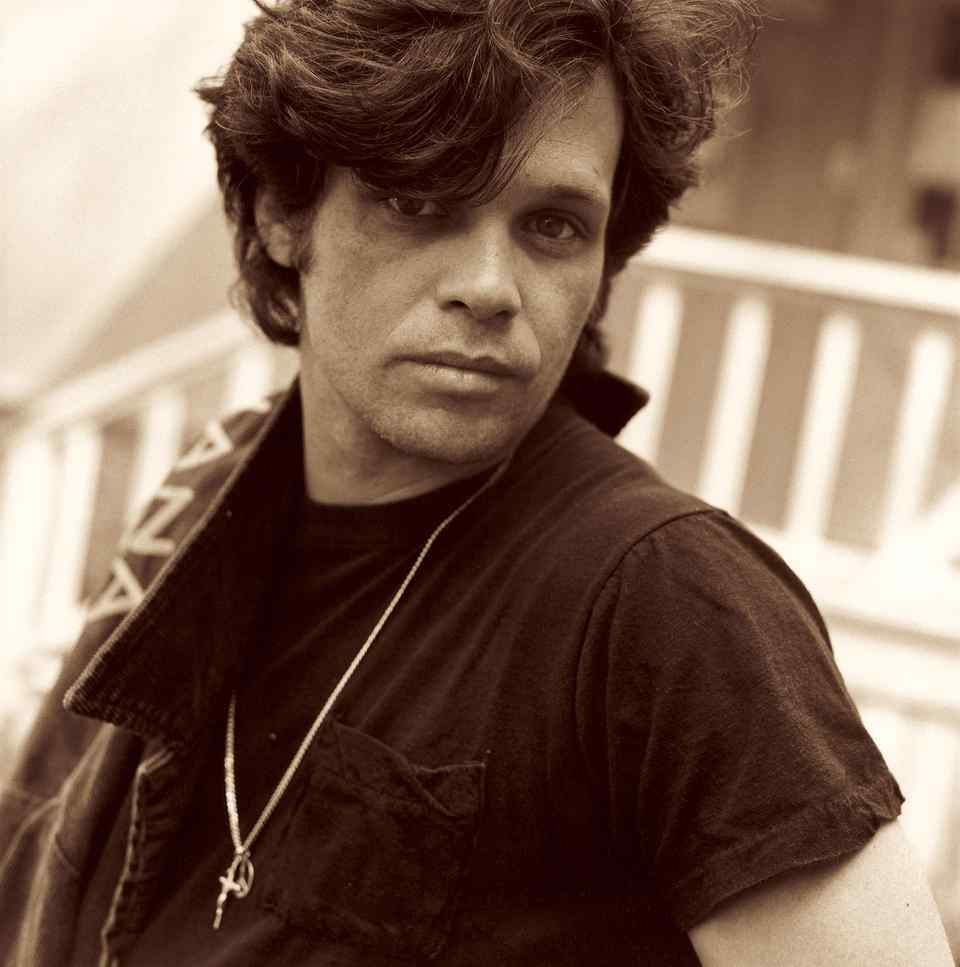
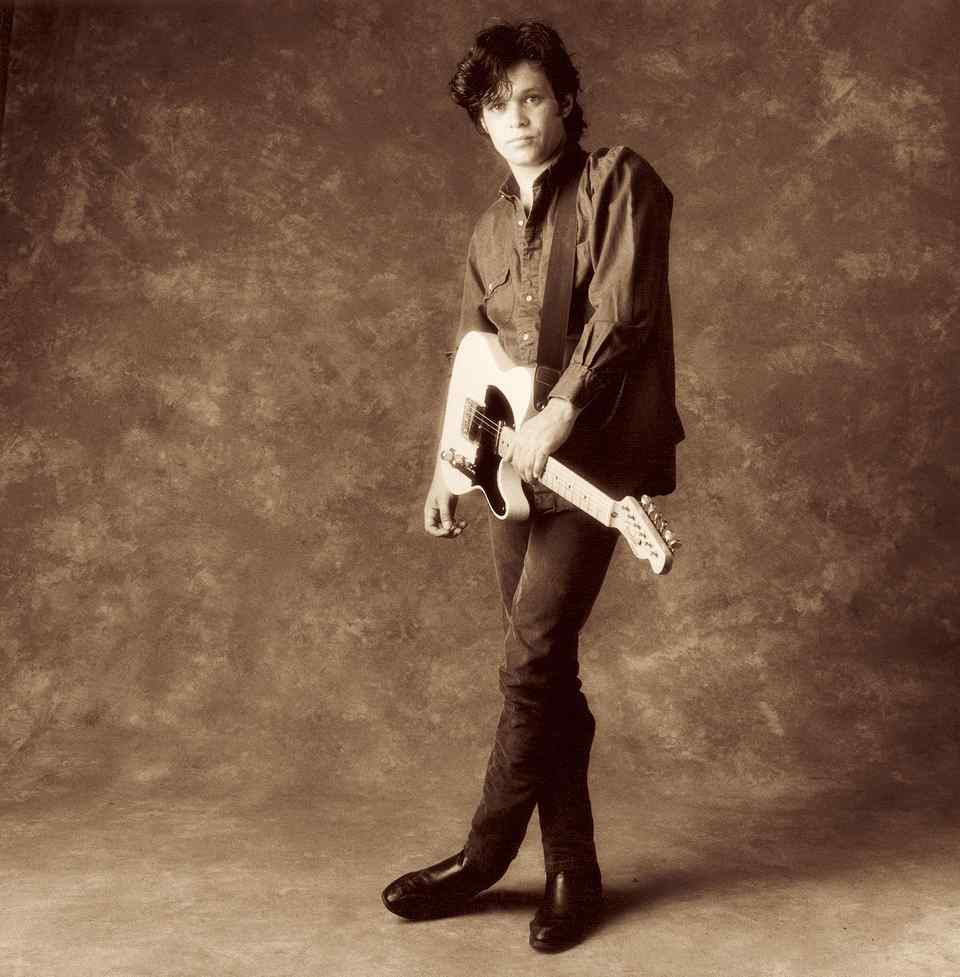
old-fashioned, feel-good Hollywood movie. Markus is an accomplished photographer
whose fashion and celebrity portraits have been featured in Vanity Fair, GQ,
Rolling Stone, Travel Plus, Leisure, Esquire, Condé Nast Traveler, People,
Entertainment Weekly, Vogue, German Elle, House & Garden and other mainstream
print publications. His photos are also on display at museums and galleries
around the world and in books published by Wild Horse Island Press, which is
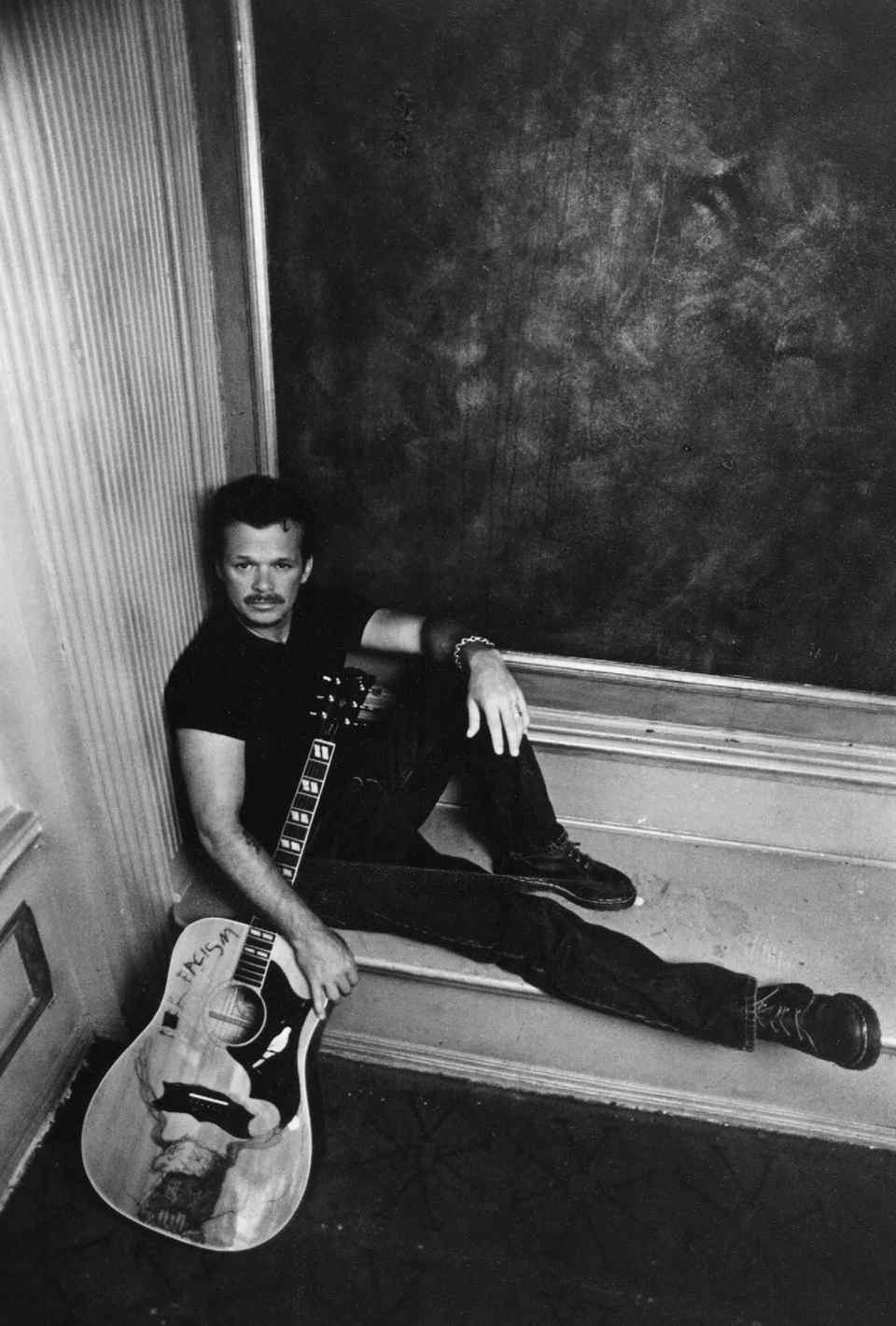
managed by his wife Maria. “I took some pictures of John and his family around
20 years ago,” Markus recalls. “We have stayed in touch over the years. I
directed a music video of John performing ‘Peaceful World’ in 2001. A few years
ago, I sent him a book filled with portraits that I had taken of boxers. One of
Mellencamp’s two sons is a boxer. John called and told me how much he liked the
book. About a week later, he called and said he wanted me to shoot a documentary
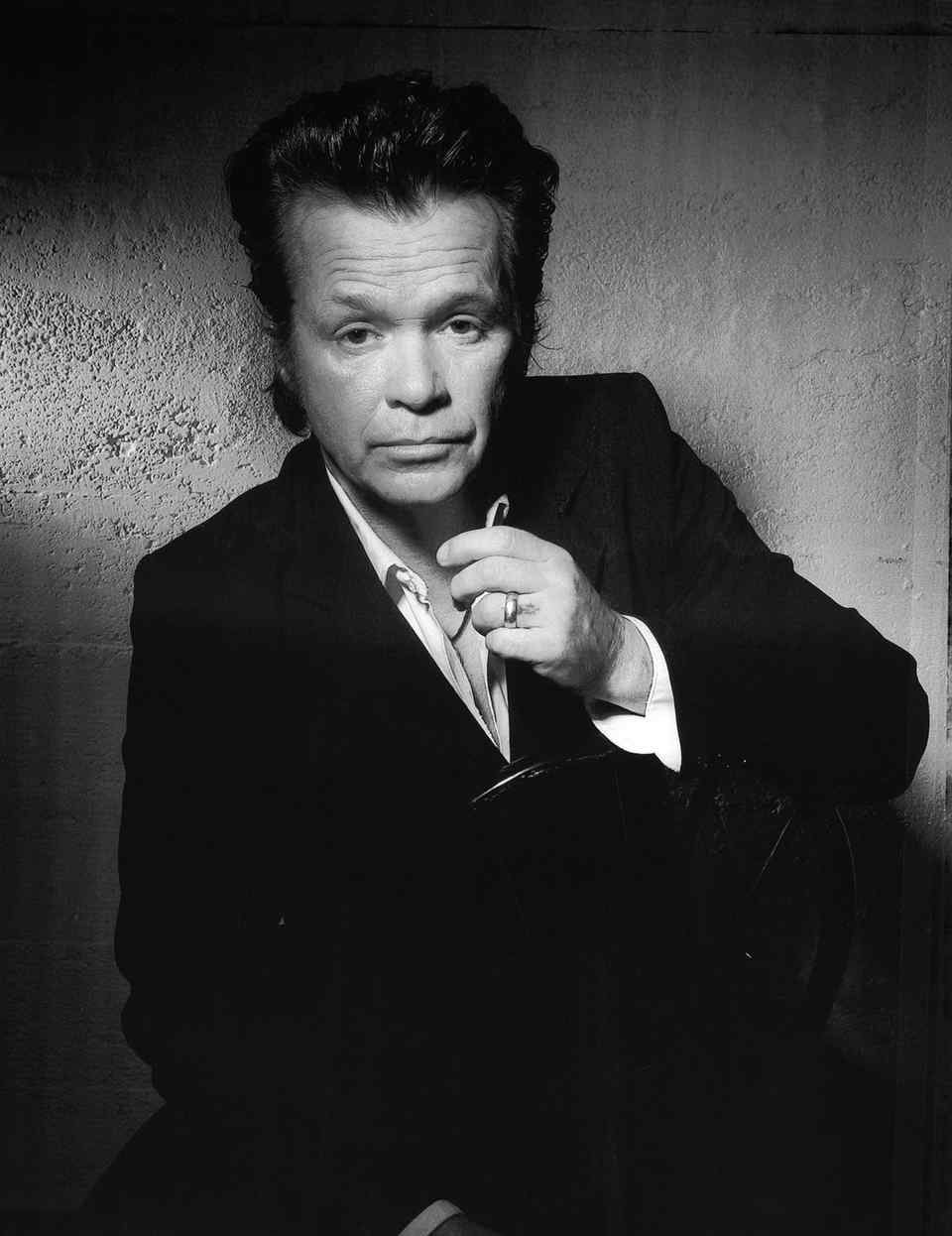
of him on tour. John said that he wanted it to look like the portraits in my
boxing book.”
At the time, Markus had sparse experience with motion picture cameras. During
the late 1980s and early ’90s, a few advertising agencies experimented with
hiring still photographers to create television commercials, and Markus shot one
commercial that he describes as “terrible.” His wife then bought him a Super 8
Beaulieu camera, which he used to shoot family films and a few music videos,
including “Peaceful World.” The camera had been on a shelf gathering dust for
years when Mellencamp called about the documentary.
Markus met with Phil Vigeant, president of Pro8mm, in Burbank, Calif., who
convinced him that advances in technology made Super 8 film a viable option for
the documentary. It would enable Markus to work unobtrusively in sometimes
challenging environments while recording an appropriately organic look on film
that could be converted to HD format. For the shoot, Markus traveled with two
Pro8mm Max 8 Classic Pro cameras mounted with Beaulieu 7-56mm T1.4 power zoom
lenses. Vigeant explains that it’s a Beaulieu 7008 Super 8 camera modified to
record synchronized sound and frame images in 1.58:1 aspect ratio. The modified
aspect ratio allows cinematographers to use more of the negative frame in a
format compatible with 16:9 projection.
Pro8mm also provided Markus with an ample supply of KODAK VISION3 5219 500T film
in Super 8 format, with each cartridge having a two-and-a-half-minute run time.
“In my dreams, I thought about dramatic lighting, but in reality I knew from day
one that we would have to be invisible behind the scenes,” says Markus. “We
didn’t have any control over lighting. Ian and I were definitely not the boss.
As a matter of fact, we were ignored.” That actually turned out to be an
advantage, because it left Markus free to roam unobtrusively behind the scenes,
filming performances and the reactions of people in the audience while his son
recorded synchronized sound with a Sony EX3 camera. They also took 35mm still
pictures.
“I tried to learn how to synch sound and film by reading about how [Filmmaker]
Albert Maysles did it on the [D. A.] Pennebaker films,” Markus explains. “He had
a sound person hold up a card with a number on it. We decided to use time code,
which freed my son and I to wander separately. I slated shots myself. I didn’t
have anybody assisting me.” Markus and his son skipped a few concerts to scout
places where Mellencamp had scheduled recording sessions, including historic Sun
Studios in Memphis, Tenn. “I knew going into this project that I would be flying
by the seat of my pants,” Markus says. “John kept saying, ‘Kurt, this film is
about you,’ but I took that tongue in cheek.”
After the first day of production, the film was shipped to Pro8mm. After Vigeant
inspected the processed film, he told Markus that it looked good and transmitted
samples over the Internet. He also gave Markus verbal reports as production
continued. “This 500-speed negative has enormous latitude,” says Vigeant. “That
gave Kurt and our colorist opportunities to create interesting images that were
the right aesthetics for parts of the story. It recorded faces in darkness and
details in bright highlights.” The processed negative was converted to digital
format with a custom-made Cintel Millennium II 4K scanner and Da Vinci 2K color
corrector. Markus and his son edited the documentary, which included integrating
still photographs that were scanned and converted to digital format. The images
were displayed on a 55-inch TV screen and recorded onto Super 8 film. “During
postproduction, like in production, we were making it up as we went along,”
Markus says. “We want to take the audience on the same journey that we took with
John.”
After the film was edited, Markus supervised the timing of the final cut at
Pro8mm, where he also narrated shared memories and observations on the
soundtrack. “It was a great experience, coupled with the fact that I had to
learn to work with my son as a partner, which was deeply moving,” Markus says.
The next step on his inaugural journey as a documentary filmmaker will be taking
It’s About You on the festival circuit. Asked if he has any regrets about the
experience, Markus replies, “At the end of every project, I come home wishing
that I had done something better.” And as for Markus’s son Ian, he has since
enrolled as a film studies major at the University of Montana.
Back
|